Salvator Mundi
Private Collection
Leonardo da Vinci, 1500
The concept of a "Salvator Mundi"
a Savior of the World
immediately evokes a powerful image, especially when linked to Leonardo da Vinci and the High Renaissance period. This particular work, dated around 1500, utilized oil on panel, a medium that allowed for the nuanced effects and smooth transitions so characteristic of Leonardo's practice and the era's sophisticated approach to painting. Without specific visual descriptions from available records, we're left to contemplate the potential for a figure imbued with solemnity and grace. The choice of oil on panel for such a profound subject from the High Renaissance implies a certain depth and luminosity, a desire for realism and idealized form. It's a fascinating paradox to consider a piece with an iconic title and artist, yet one for which detailed visual accounts from the provided material remain absent, leaving its precise compositional and chromatic qualities to intellectual inference rather than direct observation. What visual grandeur or subtle gesture might Leonardo have infused into this significant subject? The very lack of descriptive detail from documented sources becomes an intriguing aspect of its presence in our understanding.
No thoughts yet. Be the first to share one.
TagsHigh Renaissanceoilpanelreligious painting
5.00 (1 rating)
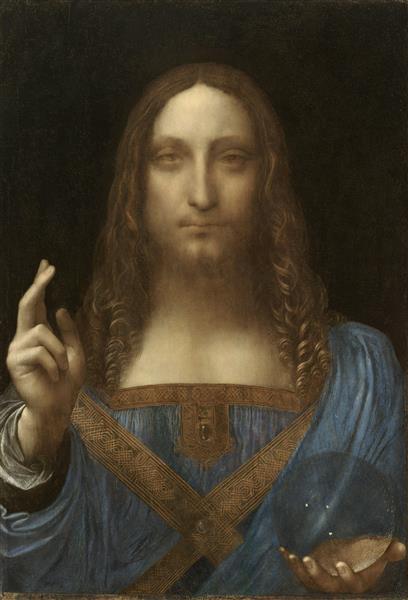
oil, panel · 1500
Medium
oil, panel
Period
High Renaissance
Held at
Private Collection