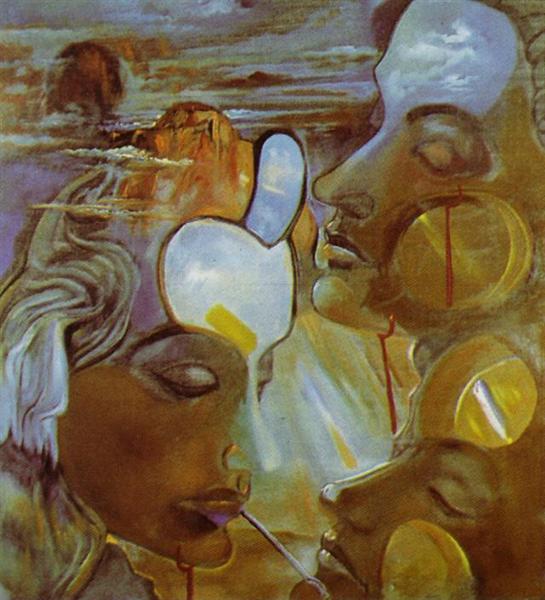
Portrait of Picasso
Dalí Theatre and Museum, Figueres, Spain
Salvador Dali, 1947
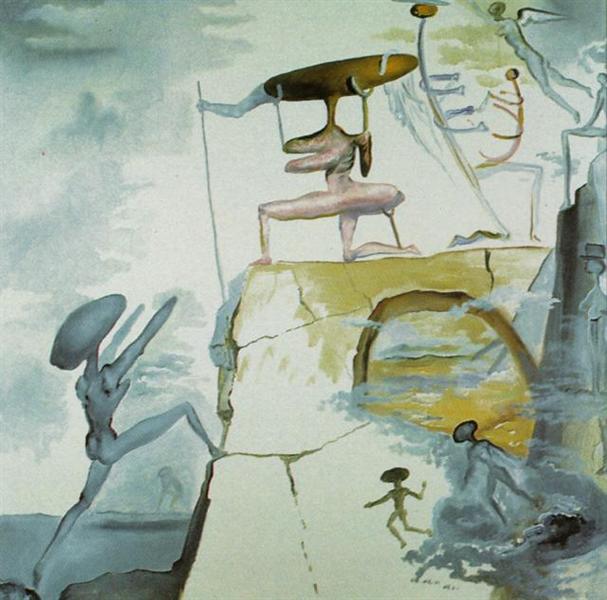
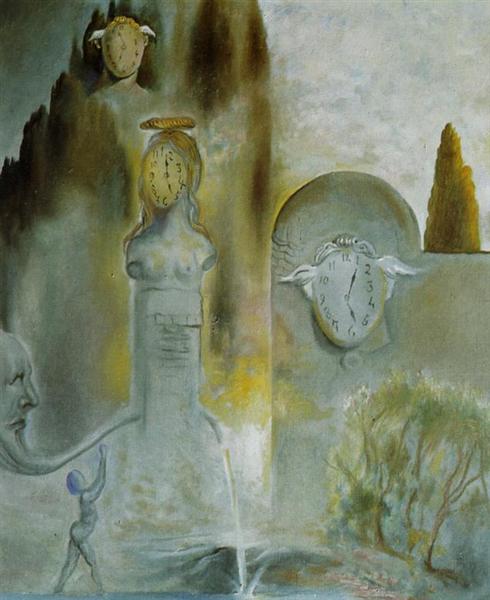
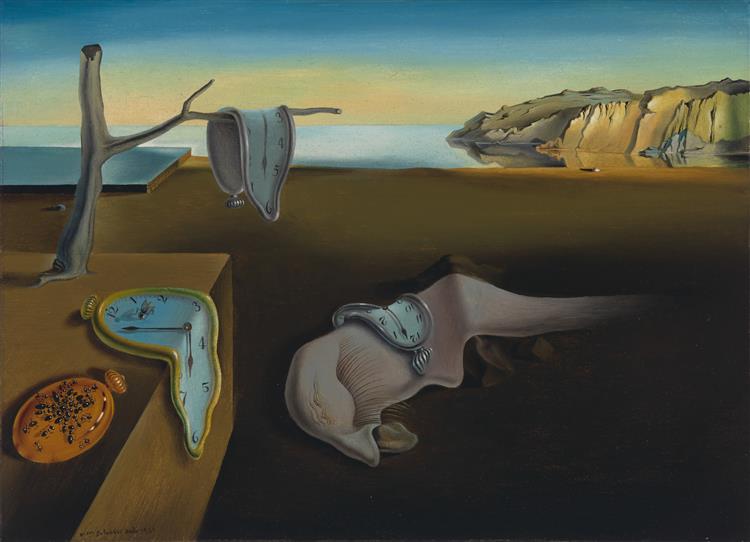
Considering a depiction of Pablo Picasso by Salvador Dalí from 1947, rendered in oil on canvas and positioned within the Surrealist movement, offers a fascinating conceptual space. While explicit details for this specific artwork are not present within the provided historical records, the confluence of these elements presents a fascinating conceptual space for contemplation. We know Dalí employed oil on canvas for other significant works, such as his 1958 "Madonna". Furthermore, a "Portrait of Picasso" from 1947 is documented, though that piece, an etching by Juan Gris, aligns with Cubism. This lack of direct corroboration for a Dalí-Picasso portrait of this medium and year means we must imagine its visual landscape. Given Dalí’s signature Surrealist approach, one might anticipate a departure from conventional realism, perhaps with an unsettling distortion of features or a dreamlike setting that challenges the viewer's perception of Picasso's image. Such a work would likely explore the subconscious, using symbolic elements to convey depth beyond a mere likeness. The very absence of its detailed description in available sources makes its potential visual impact all the more intriguing to ponder.
No thoughts yet. Be the first to share one.
TagsSurrealismoilcanvasportrait
4.00 (1 rating)
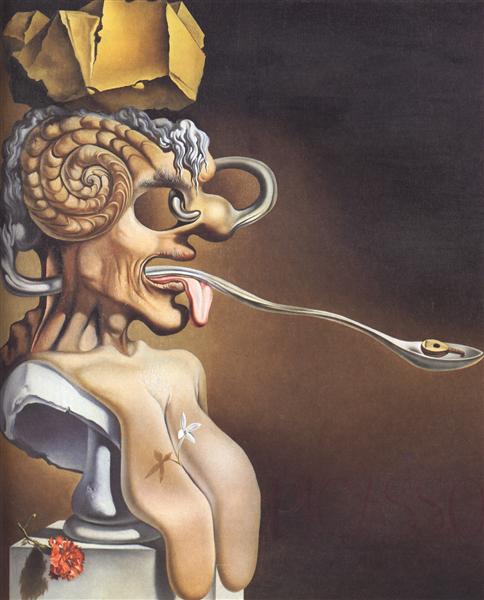
oil, canvas · 1947
Medium
oil, canvas
Period
Surrealism
Held at
Dalí Theatre and Museum, Figueres, Spain