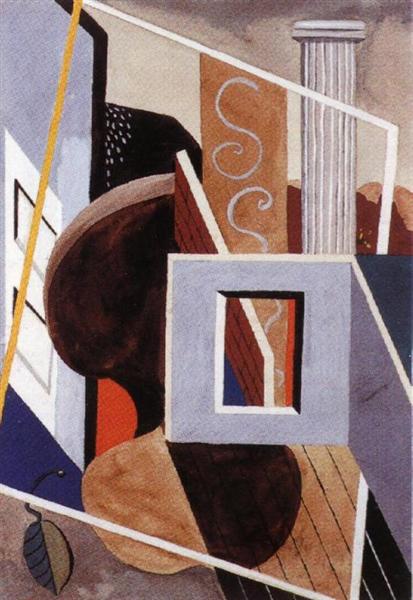
Figures in a Garden
Tate Britain, London, UK
Francis Bacon, 1936
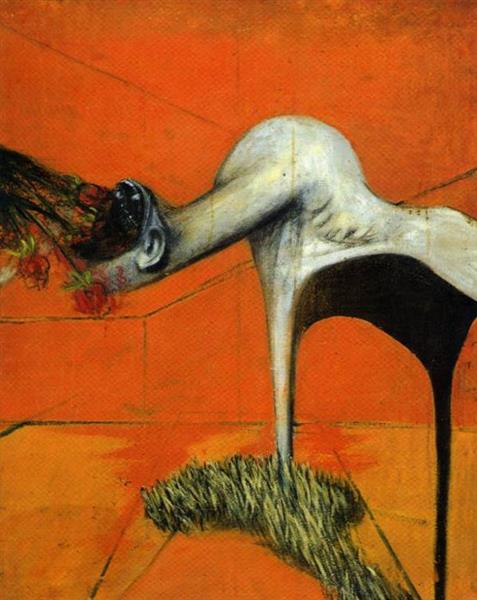
The very idea of "Figures in a Garden" from Francis Bacon, painted in 1936, stirs an immediate sense of potential unease. This isn't likely the picturesque landscape one might initially imagine; rather, with Bacon's clear alignment with Expressionism and the chosen medium of oil on canvas, the piece almost certainly delves into something more viscerally charged. We are left to contemplate what visual qualities these "figures" might possess
perhaps contorted, solitary, or engaged in an obscured drama
within a "garden" that transcends mere beauty. The lack of specific visual data in the source material means its precise composition remains an enigma, compelling us to consider the emotive power of suggestion. Could the brushwork be thick and agitated, conveying a psychological landscape rather than a literal one? The oil medium lends itself to such textural exploration, allowing for a rendering that emphasizes raw feeling over photographic accuracy. This work, existing in a realm beyond easy description, forces a confrontation with the powerful implications held within its simple title, an internal vision rather than an external portrayal. What kind of interaction, or isolation, unfolds within this unnamed space?
No thoughts yet. Be the first to share one.
TagsExpressionismoilcanvasfigurative
4.00 (1 rating)
.jpg!Large.jpg)
oil, canvas · 1936
Medium
oil, canvas
Period
Expressionism
Held at
Tate Britain, London, UK
.jpg!Large.jpg)