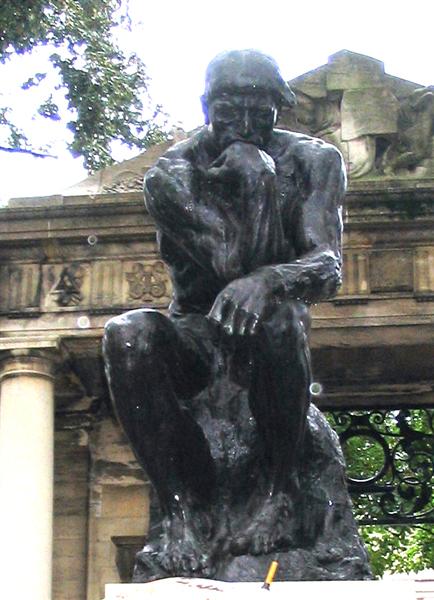
The Thinker
Philadelphia Museum of Art, Philadelphia, PA, US
Auguste Rodin, 1902
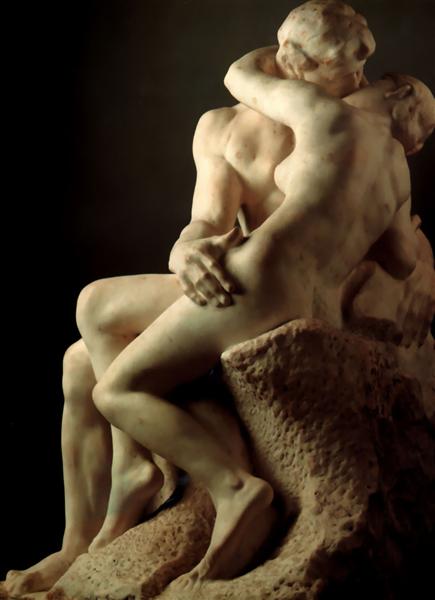
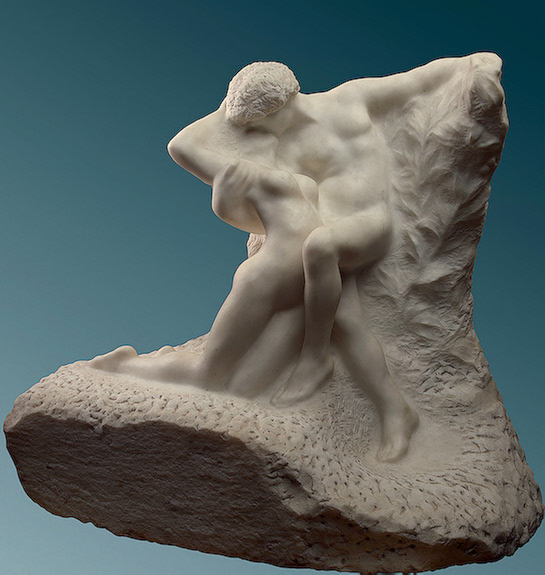
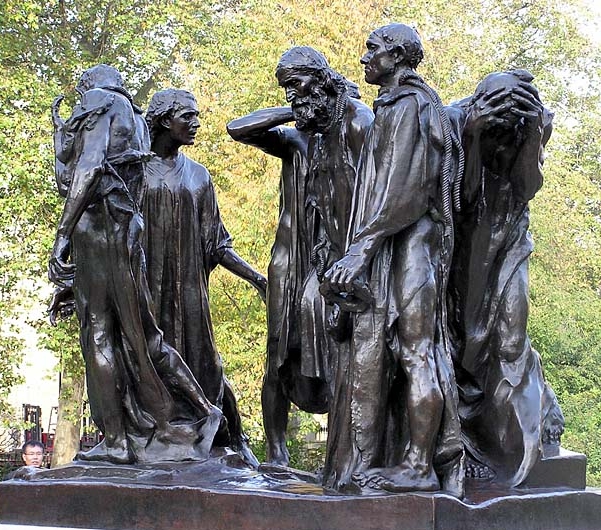
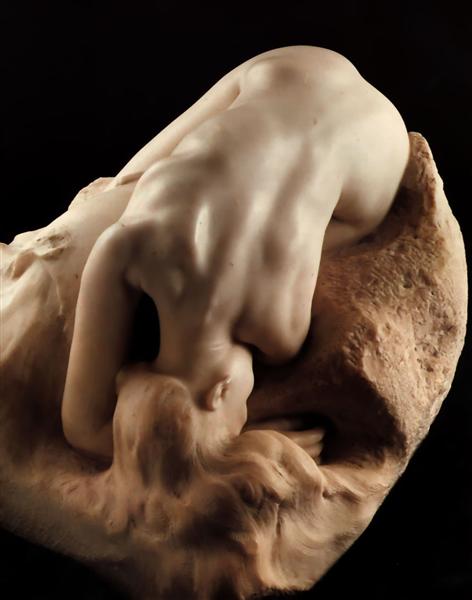
The very idea of a figure titled "The Thinker" immediately conjures a scene of profound internal struggle, a mind lost in rumination. This work by Auguste Rodin, created in 1902, carries the weight of its titular subject. While the specific medium remains unknown, the classification under the Impressionist movement points toward an artwork concerned with capturing the fleeting nature of perception and emotion. An Impressionist "Thinker" might focus less on a solid, anatomical depiction and more on the transient quality of a mental state, perhaps rendering a form that appears fluid, as if momentarily coalesced from the surrounding atmosphere, mirroring a thought that is just taking shape or dissolving. The very uncertainty of its medium for this particular piece is striking; it leads to speculation about how Rodin might have employed materials to convey the silent, yet immense, burden of reflection. Did he utilize a surface that absorbs light, or one that catches it in diffuse ways, to reflect the internal workings of the mind? The true subject here transcends mere representation; it is the act of cognition itself, interpreted with a sensitivity to the momentary and the perceived. This leaves a compelling question: is the work primarily about the solitary figure consumed by thought, or the universal, elusive journey of the mind itself?
No thoughts yet. Be the first to share one.
TagsImpressionismsculpture
4.50 (1 rating)
1902
Period
Impressionism
Held at
Philadelphia Museum of Art, Philadelphia, PA, US