Danaid
Auguste Rodin, 1889
A profound weariness seems to pull at the very marble of Auguste Rodin's 1889 sculpture, Danaid. Instead of a heroic or defiant stance, we see a woman in a completely fallen posture, her body slumped heavily beside a vessel from which water is actively escaping. This isn't merely a depiction of rest; there's a sense of abandonment, almost a quiet despair, in her surrender. Rodin based this work on the Greek myth of the Danaïdes, who were condemned to an eternal, futile task of filling a leaky jar. The choice of marble, a material often associated with permanence and classical ideals, here renders a moment of profound, almost Impressionistic, emotional vulnerability and transient effort. The raw, subjective experience often sought by the Impressionist movement feels palpable in the way the figure seems to collapse under unseen burdens. Known also by its alternate name, "The Spring," the sculpture offers a poignant irony, juxtaposing endless natural flow with the futility of her forced labor. How many attempts preceded this moment of utter defeat beside her unfulfilled task?
No thoughts yet. Be the first to share one.
TagsImpressionismmarblesculpture
4.50 (1 rating)
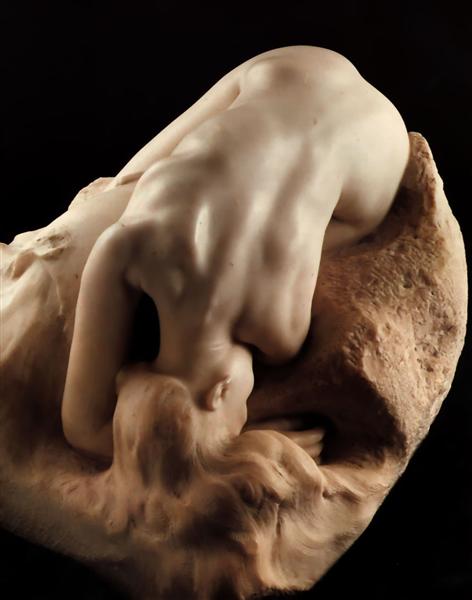
marble · 1889
Medium
marble
Period
Impressionism