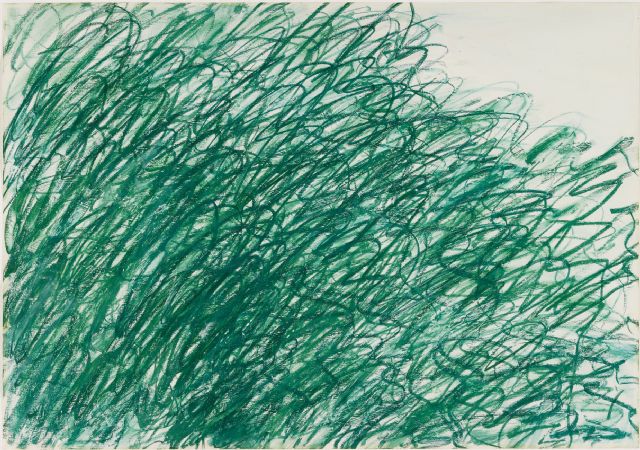
Returning from Tonnicoda
Cy Twombly, 1973
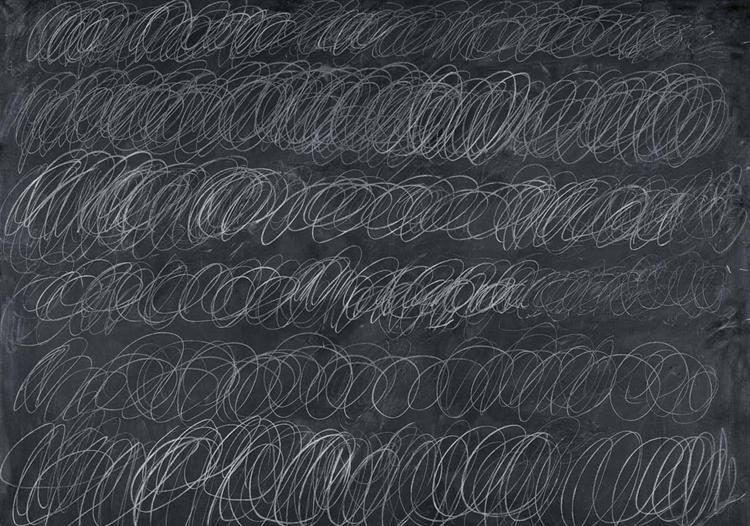
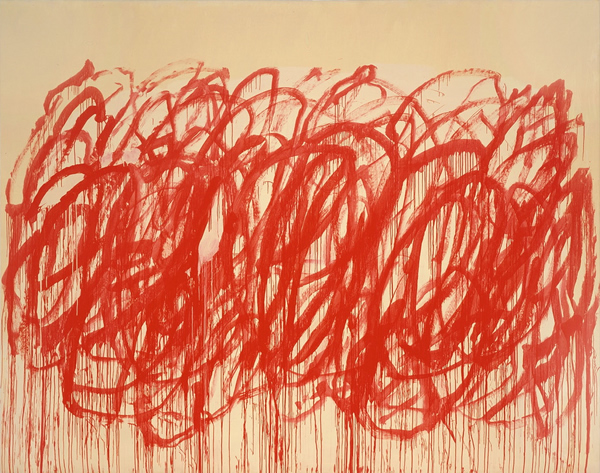
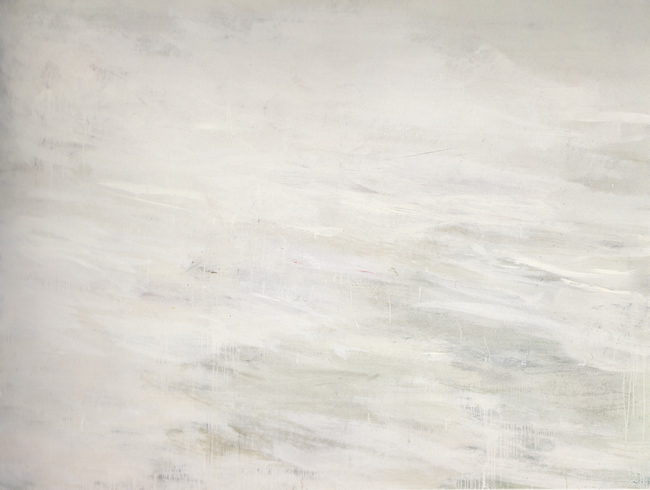
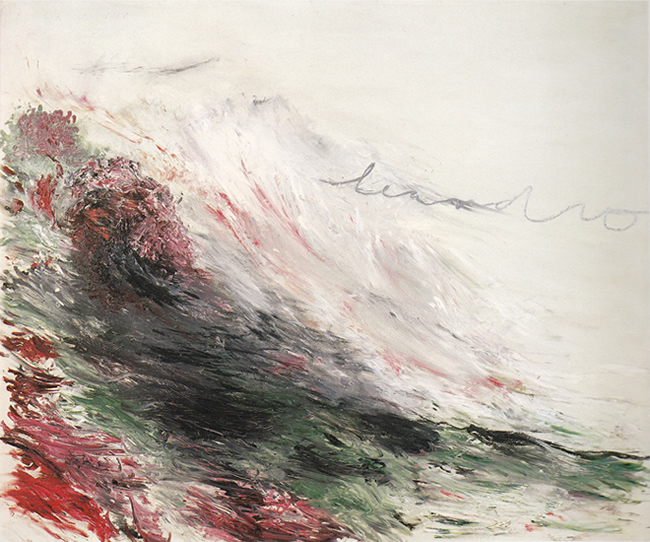
Returning from Tonnicoda, created by Cy Twombly in 1973, carries the potential for the raw, emotive energy characteristic of Neo-Expressionism. One might anticipate a surface where gestural marks and vigorous lines dominate, perhaps hinting at a tumultuous journey or a deeply personal recollection. The very act of "returning" suggests a passage through a landscape, whether internal or external, that Twombly might render with his distinctive, almost calligraphic spontaneity. Given the unknown medium, the piece could present a wide array of textures, from scraped, almost archaeological surfaces to translucent washes, all contributing to an overwhelming sense of felt experience rather than literal depiction. Imagine a composition where forms are less about representation and more about the visceral act of creation itself, where the very act of drawing or painting becomes the narrative of the return. The work's power would lie in its ability to evoke memory and movement through abstract visual language. The absence of specific visual details invites an engagement with the artwork's emotional core, prompting speculation about what lingering echoes of Tonnicoda might permeate the composition. How does a journey back manifest visually when stripped of clear narrative, leaving only the trace of its passage?
No thoughts yet. Be the first to share one.
TagsNeo-Expressionismabstract
3.00 (1 rating)
1973
Period
Neo-Expressionism