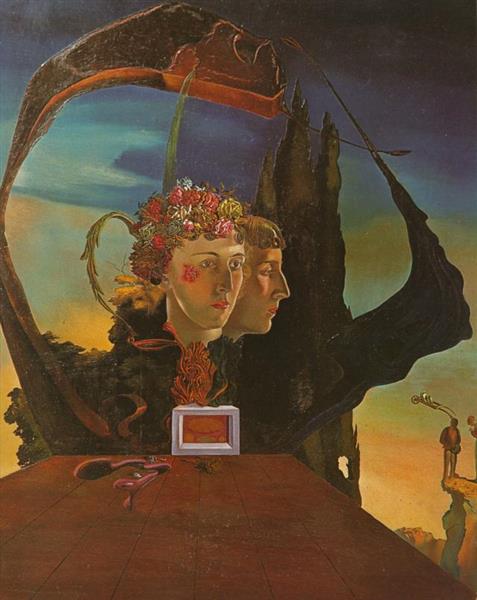
Portrait of the Viscountess Marie Laure de Noailles
Salvador Dali, 1932
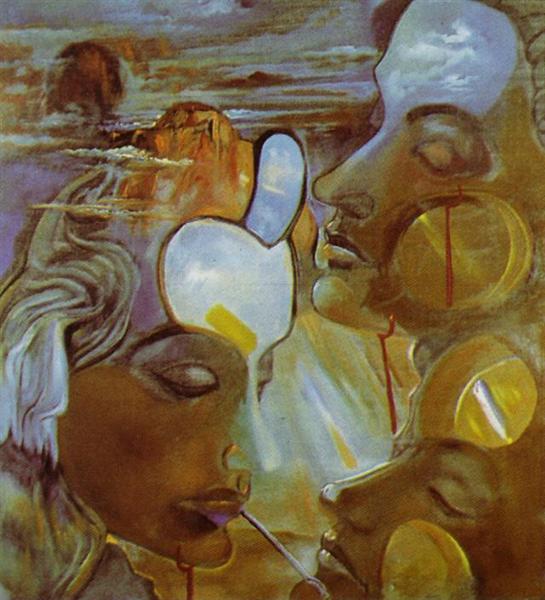
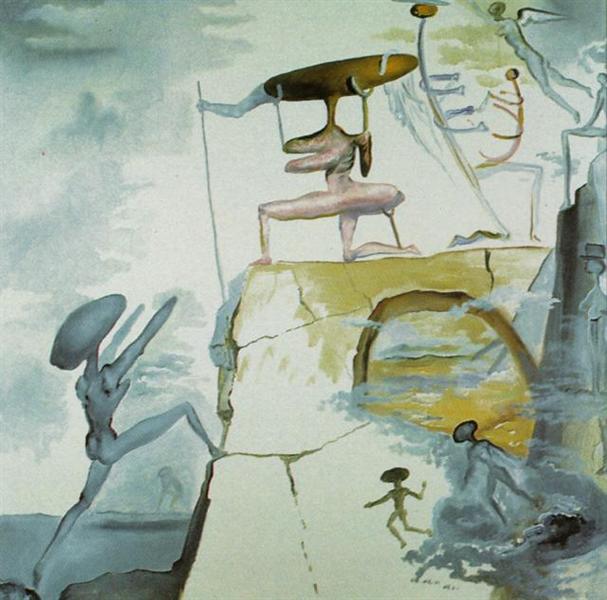
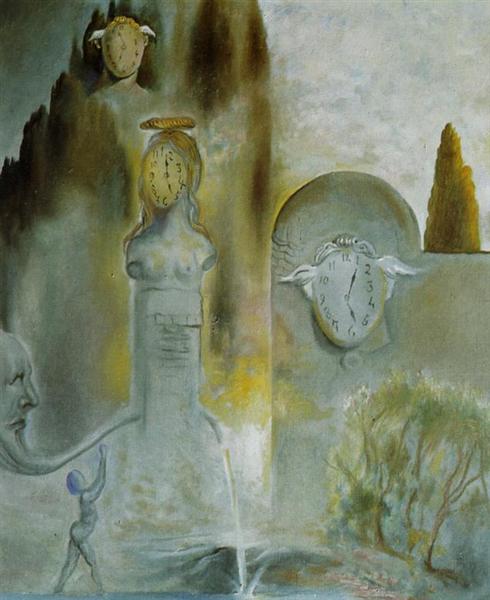
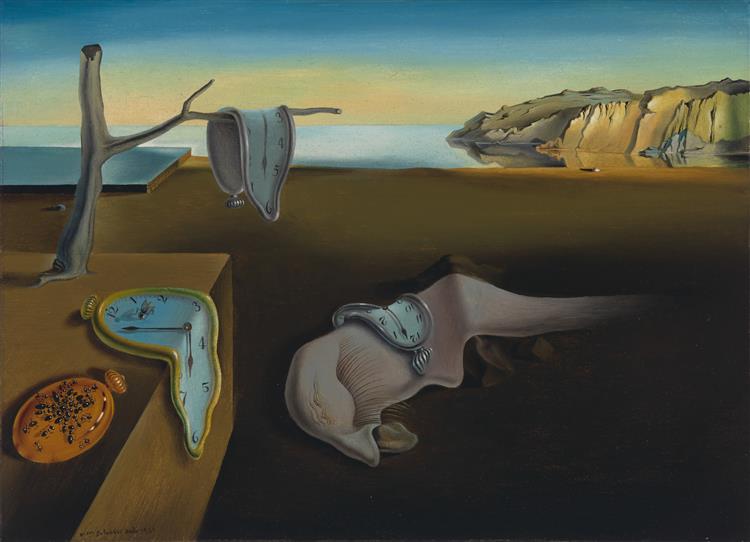
To consider a portrait of the Viscountess Marie Laure de Noailles by Salvador Dali, created in 1932, is to step into the heart of the Surrealist movement. Dali’s approach, even for a commissioned portrait, would have inherently challenged traditional representations of a human subject. Given its context within Surrealism, this work would likely explore dimensions beyond mere physical likeness, perhaps delving into the unconscious or the dream world. The specific medium is not known, which leaves the visual experience entirely open to speculation. This absence of information compels us to consider the range of possibilities for a Dali work from this period. The impact of Dali's vision in 1932, a significant year for Surrealism, on a figure of society like the Viscountess, must have been considerable. It invites questions about how an artist like Dali would interpret an individual through a style dedicated to the unexpected and the illogical, especially when depicting a public figure. The absence of details about its appearance only amplifies the mystery, prompting one to imagine the kind of visual language Dali employed to capture the essence of a viscountess in such a radical artistic era.
No thoughts yet. Be the first to share one.
TagsSurrealismportrait
3.00 (1 rating)
1932
Period
Surrealism