Portrait of Henry VIII, King of England
Hans Holbein the Younger, 1535
To stand before an oil painting on panel from 1535, purportedly depicting Henry VIII, carries a certain weight. This piece, created during the Northern Renaissance by Hans Holbein the Younger, places us within a particular moment of visual representation. Given that Holbein
’s renowned portrayal of the monarch from 1536–1537, originally part of the ambitious Whitehall Mural, was destroyed by fire in 1698, encountering any work from this period by the artist is compelling. While that specific lost mural is now known only through many copies, it highlights the significance of Holbein's contribution to how Henry VIII was viewed. The fact that an artwork like this, rendered in oil on a sturdy panel, emerges from 1535 speaks to the persistent demand for the king's likeness. It suggests a direct link to the period when such powerful images were being crafted, even if the precise relationship to the more famous, but lost, mural remains an intriguing question. What is it about these early representations that ensured their survival, or at least their replication, through centuries?
No thoughts yet. Be the first to share one.
TagsNorthern Renaissanceoilpanelportrait
3.00 (1 rating)
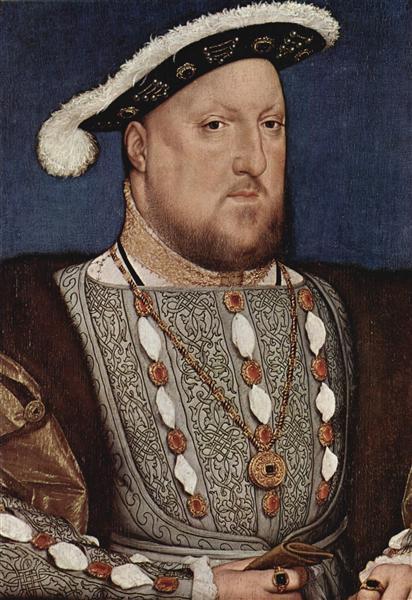
oil, panel · 1535
Medium
oil, panel
Period
Northern Renaissance