La Liberté guidant le peuple
Louvre, Paris, FranceGrand Ducal Palace, Luxembourg City, Luxembourg
Eugène Delacroix, 1830
This powerful oil on canvas, a quintessential work of Romanticism by Eugène Delacroix, commemorates the July Revolution of 1830. Delacroix himself expressed a profound connection to the project, noting in a letter to his brother that his mood improved while embarking on it, stating he would paint for his country if he could not fight for it. The artwork, widely considered one of Delacroix's most influential and recognizable paintings, vividly captures the spirit of the revolution, which ultimately removed Charles X from power. Acquired by the French government in 1831, it was initially intended for King Louis-Philippe's room but was swiftly removed due to its revolutionary subject matter. The iconic figure of Lady Liberty, a central element of the composition, later served as inspiration for the Statue of Liberty, subsequently gifted to the United States. Its enduring legacy is further marked by its feature on French banknotes, solidifying its profound impact on both history and popular culture.
No thoughts yet. Be the first to share one.
TagsRomanticismoilcanvashistory paintingsymbolic painting
4.57 (7 ratings)
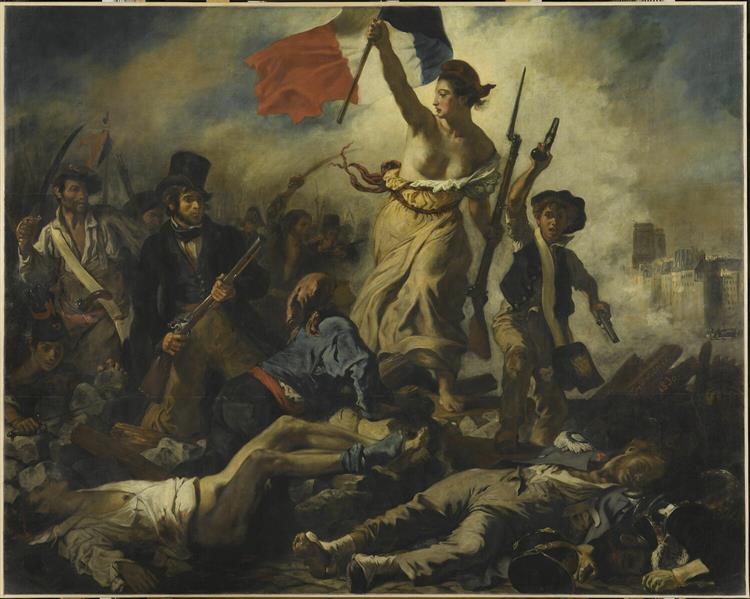
oil, canvas · 1830
Medium
oil, canvas
Period
Romanticism
Held at
Louvre, Paris, France
.jpg!Large.jpg)
.jpg!Large.jpg)
.jpg!Large.jpg)