Dream Caused by the Flight of a Bee around a Pomegranate a Second before Awakening
Thyssen-Bornemisza Museum, Madrid, Spain
Salvador Dali, 1944
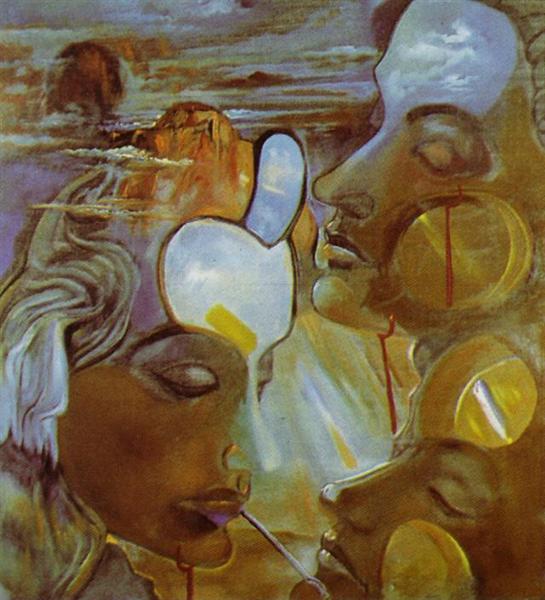
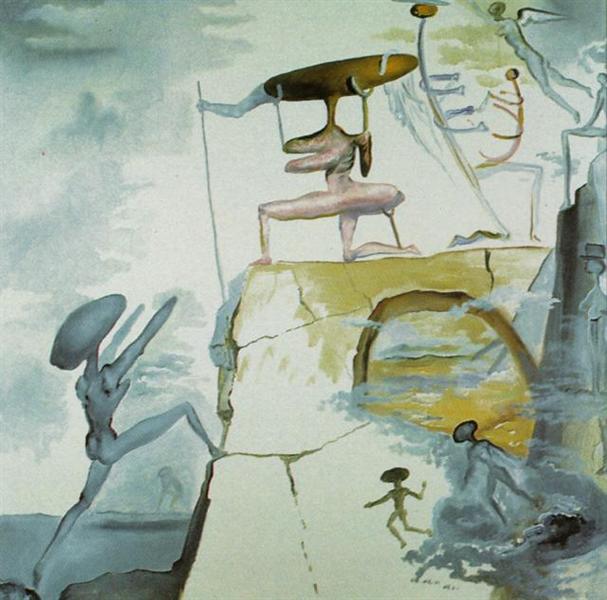
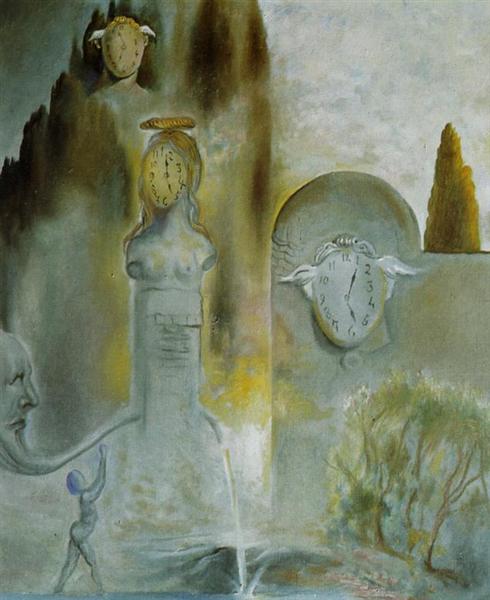
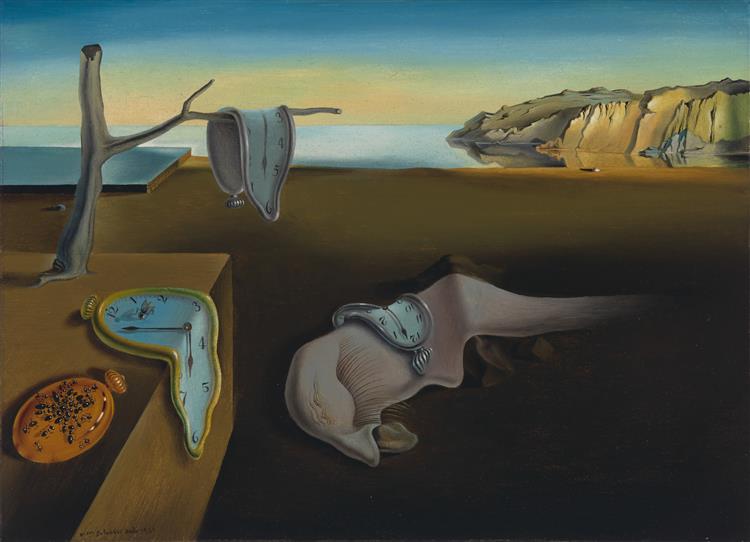
The jarring immediacy of a dream captured just before its dissolution is what makes the 1944 oil on canvas, "Dream Caused by the Flight of a Bee around a Pomegranate a Second before Awakening," so compelling. This work by Salvador Dali, firmly rooted in Surrealism, forces us to imagine the precise moment of transition from the subconscious to consciousness. One can picture a vast, almost barren landscape, perhaps rendered with the unnerving clarity typical of dreamscapes, where a single, oversized bee might trace an improbable flight path. The pomegranate, central to the dream's disruption, could be depicted in an altered state
—perhaps floating, or cleaved open to reveal not seeds, but other, more unsettling objects. The "second before awakening" implies a sudden shift in perception, a break in the dream's peculiar logic. This tension between the mind's internal narratives and the external world is a hallmark of Dali's approach, using meticulous detail to render the impossible. The painting’s title alone sparks contemplation on how such a fleeting sensory input—a bee's buzz—could generate an entire, complex dream sequence, only to vanish at the brink of waking. What remains is the question of what lingers from that final, fractured second.
No thoughts yet. Be the first to share one.
TagsSurrealismoilcanvassymbolic painting
4.75 (2 ratings)
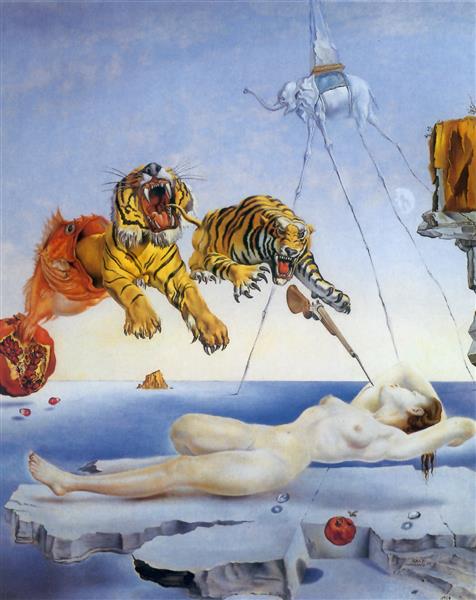
oil, canvas · 1944
Medium
oil, canvas
Period
Surrealism
Held at
Thyssen-Bornemisza Museum, Madrid, Spain