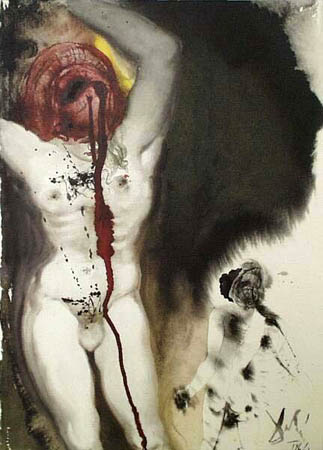
David et Philistaeus (1 Samuel 17:43)
Salvador Dali, 1967
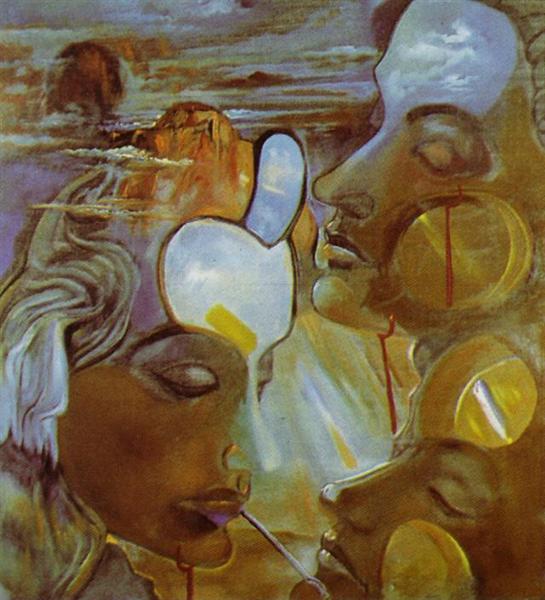
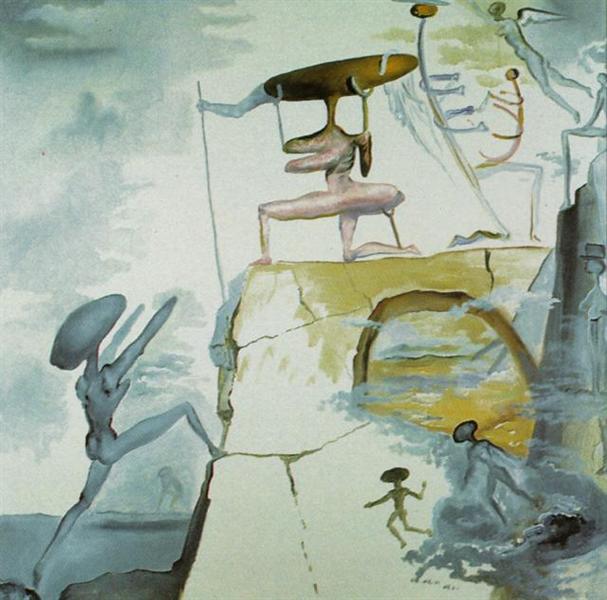
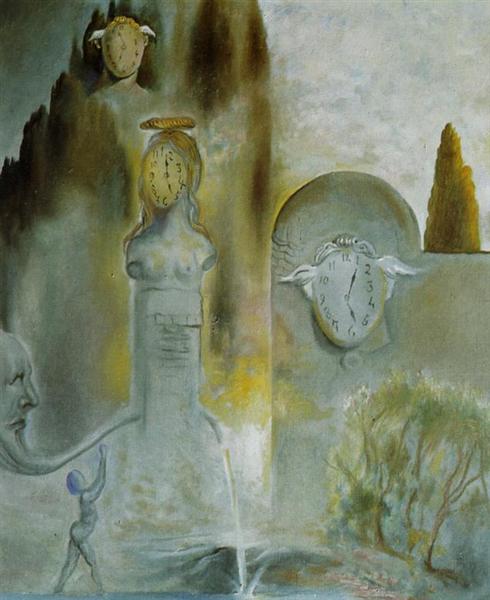
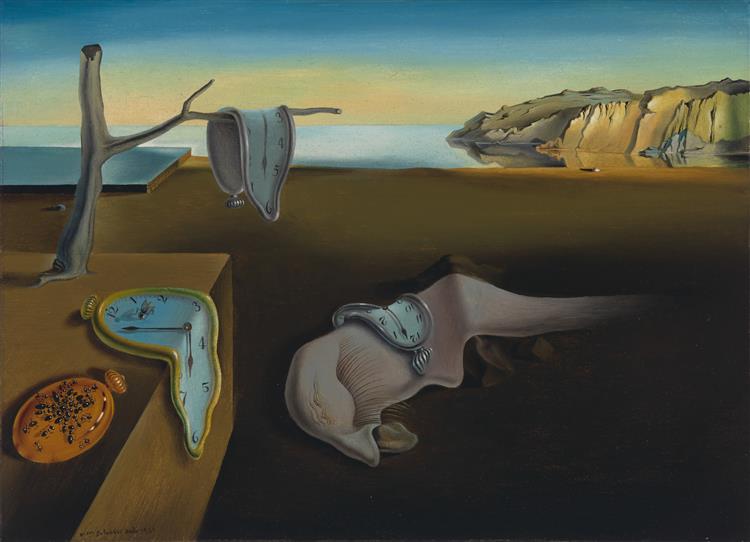
When contemplating Salvador Dali's "David et Philistaeus (1 Samuel 17:43)" from 1967, one immediately grapples with the interplay of a profound biblical narrative and the artist's well-known association with Surrealism. The very title, referencing David's confrontation with Philistaeus, suggests a scene of dramatic tension and symbolic weight. Within the context of Surrealism, a movement Dali helped define, one might anticipate a reinterpretation of this familiar story, perhaps subverting traditional heroic depictions or delving into the subconscious anxieties surrounding such a monumental struggle. Since the medium of this 1967 work remains unknown in the available records, it’s left to imagination how Dali might have rendered such a potent theme. Would it be a canvas swirling with dream logic, as seen in some of his earlier oils, or perhaps a more abstract representation? The absence of visual specifics for this particular artwork, beyond its title and the year it was created, leaves a compelling void. It forces us to consider the idea of a Dali interpretation of David and Goliath—a confrontation rendered not necessarily in literal terms, but through the distorted perspectives and symbolic language characteristic of the Surrealist approach. How might the slingshot, the giant, or the young shepherd appear when filtered through Dali's unique lens, moving beyond mere illustration into the realm of psychological exploration? The work, even in its un-pictured state, provokes thoughts on perception and narrative.
No thoughts yet. Be the first to share one.
TagsSurrealismreligious painting
4.75 (2 ratings)
1967
Period
Surrealism