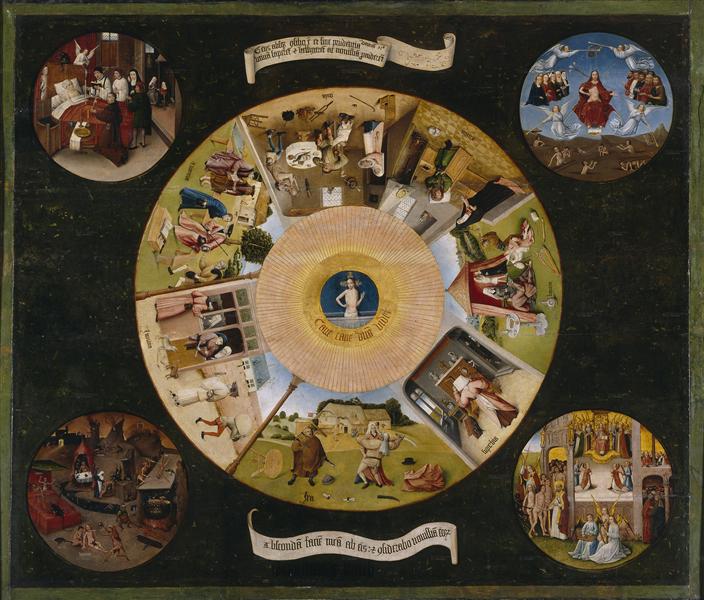
The Seven Deadly Sins and the Four Last Things (tabletop)
Museo del Prado, Madrid, Spain
Hieronymus Bosch, 1485
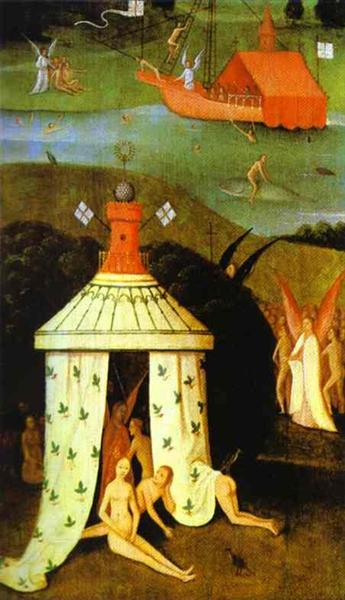
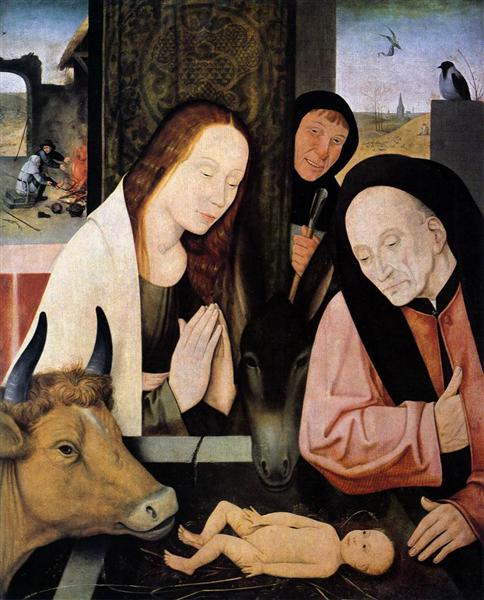
Hieronymus Bosch's "The Seven Deadly Sins and the Four Last Things," created in 1485, is an oil on panel artwork from the Northern Renaissance movement. Unlike many of his other creations, which often feature complex layers of symbolism, this tabletop piece more directly illustrates the various levels of sin, their associated punishments, and the ever-present gaze of God overseeing all. Yet, even in its more literal approach, Bosch cleverly embeds a wealth of symbolic detail within each depiction of the seven deadly sins. For instance, those who succumb to greed find themselves boiled in pots of gold, a stark and fitting consequence. Similarly, the sin of pride is visually represented by a demon holding a mirror up to a conceited woman, reflecting her vanity. More than just a simple catalog of transgressions and their outcomes, this series of paintings functions as a powerful warning against sinful behavior, intended to deter evil actions and encourage a moral path.
No thoughts yet. Be the first to share one.
TagsNorthern Renaissanceoilpanelreligious painting
4.50 (1 rating)
oil, panel · 1485
Medium
oil, panel
Period
Northern Renaissance
Held at
Museo del Prado, Madrid, Spain