Study for Madonna and Child with St. Anne
Louvre, Paris, France
Leonardo da Vinci, 1510
Imagine the rapid, decisive strokes of chalk defining forms on paper, softened and shaded by the fluid application of wash. This is a glimpse into the creative process of Leonardo da Vinci around 1510, a direct engagement with his thoughts on the "Madonna and Child with St. Anne." It’s not a finished piece, but an exploration, revealing the underlying structure and evolving emotions of his High Renaissance vision. The choice of chalk and wash on paper itself tells a story. This isn't the grand, polished statement of a canvas, but a more intimate, investigative drawing. One can almost feel the texture of the paper beneath the chalk, absorbing the translucent washes that build volume and suggest the interplay of light and shadow on the figures. It offers insight into how a master like Leonardo developed complex compositions, working through ideas for the divine family, capturing initial expressions and drapery folds before committing to larger works. This intimate study, rather than presenting a completed scene, captures the fleeting moment of artistic discovery. It leaves you pondering the subtle shift of a line, the careful layering of tone, and the profound intellectual labor behind such an iconic subject during the High Renaissance. What decisions were made here that would resonate in his later, more celebrated depictions?
No thoughts yet. Be the first to share one.
TagsHigh Renaissancechalkwashpapersketch and study
4.00 (1 rating)
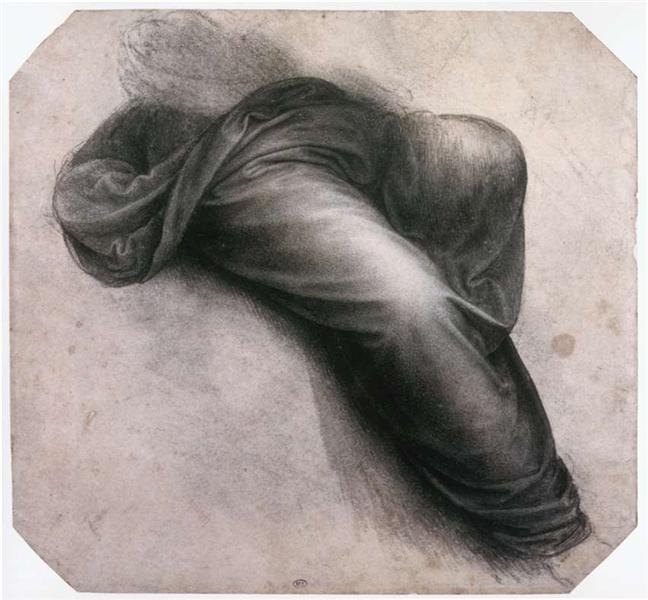
chalk, wash, paper · 1510
Medium
chalk, wash, paper
Period
High Renaissance
Held at
Louvre, Paris, France