Sistine Chapel Ceiling: Creation of Adam
Sistine Chapel, Vatican
Michel-Ange, 1510
A monumental project from 1510, featuring the 'Creation of Adam,' forms a key segment of the Sistine Chapel Ceiling, attributed to Michel-Ange during the High Renaissance. Executed as a fresco, the very medium dictated a challenging process: pigments had to be applied swiftly to wet plaster before it dried, ensuring a permanent chemical bond. This unforgiving technique permitted no second thoughts or corrections, demanding a unique artistic discipline and conviction. Imagine the physical demands of working overhead on such a grand scale, the artist compelled to translate a complex vision with absolute immediacy. The constraints of the medium itself—the rapid strokes, the limited working time, the sheer elevation—must have profoundly shaped the final appearance, imbuing the figures and their interaction with an inherent force. This reliance on quick decisions within the fresco technique perhaps offers a new perspective on the dynamic energy perceived within the entire ceiling composition, underscoring a tension between monumental ambition and the relentless pace of creation.
No thoughts yet. Be the first to share one.
TagsHigh Renaissancefrescoreligious painting
5.00 (1 rating)
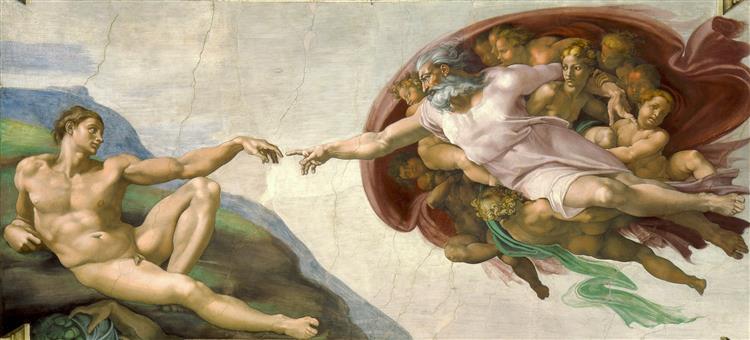
fresco · 1510
Medium
fresco
Period
High Renaissance
Held at
Sistine Chapel, Vatican