Pieta
St. Peter's Basilica, Vatican
Michel-Ange, 1499
The sheer transformation of cold, inert marble into a scene of such profound, quiet sorrow is truly striking. One can almost feel the smooth, polished surfaces, imagining how light dances across the sculpted drapery and the delicate, grief-stricken expressions of the figures. Carved by Michel-Ange in 1499, this Pieta takes the stark material and imbues it with an incredible, almost living presence, a hallmark of the High Renaissance. The very hardness of the stone, often seen as unyielding, here seems to soften under the weight of the moment, yet it also confers an enduring, monumental quality to the pain depicted. The solemn weight of the figures, their forms articulated through the sculptor's masterful shaping of the stone, creates a powerful emotional resonance. How such an artist could convey both vulnerability and an almost divine stillness within the unyielding character of marble leaves one contemplating the power of human touch on the natural world, forever solidifying a fleeting, heart-wrenching instance. The tension between the material's permanence and the ephemeral nature of life and loss remains central to its impact.
No thoughts yet. Be the first to share one.
TagsHigh Renaissancemarblesculpture
5.00 (1 rating)
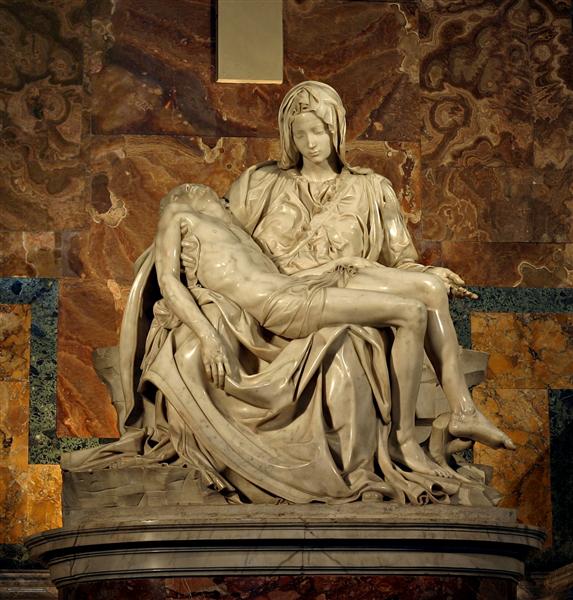
marble · 1499
Medium
marble
Period
High Renaissance
Held at
St. Peter's Basilica, Vatican
More by Michel-Ange
View all works →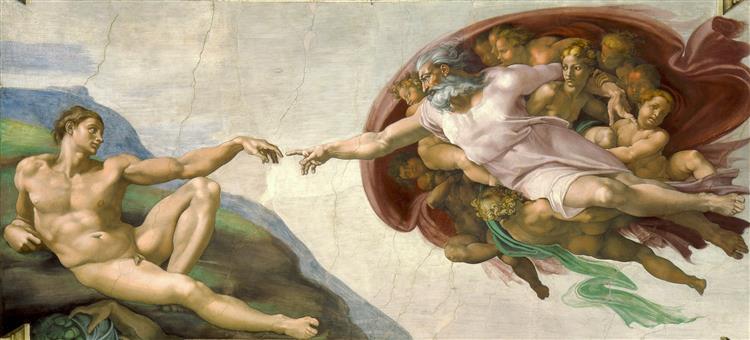
High Renaissance
Sistine Chapel Ceiling: Creation of Adam
1510
5.0
Mannerism (Late Renaissance)
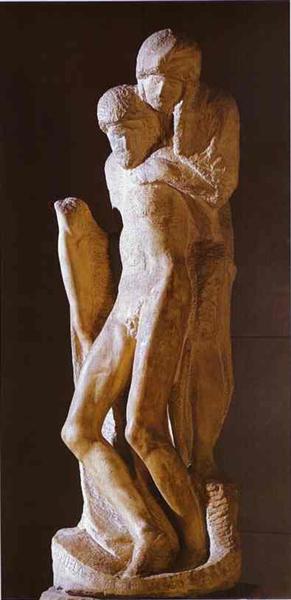
Pieta Rondanini (unfinished)
1564
No ratings yet
Mannerism (Late Renaissance)
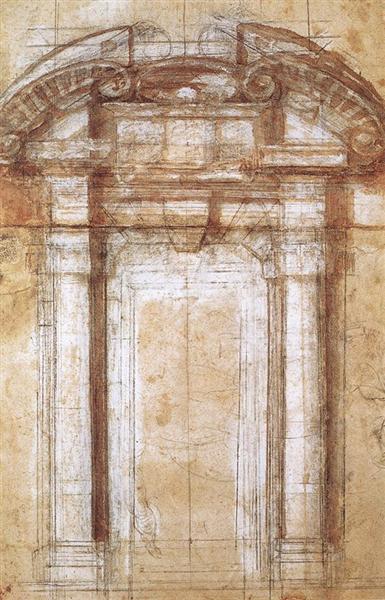
Study for the Porta Pia (a gate in the Aurelian Walls of Rome)
1561
No ratings yet
Mannerism (Late Renaissance)
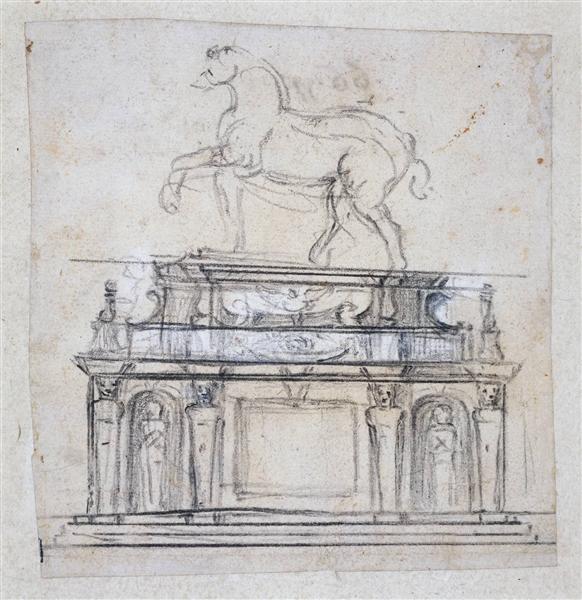
Design for a statue of Henry II of France
1559
No ratings yet