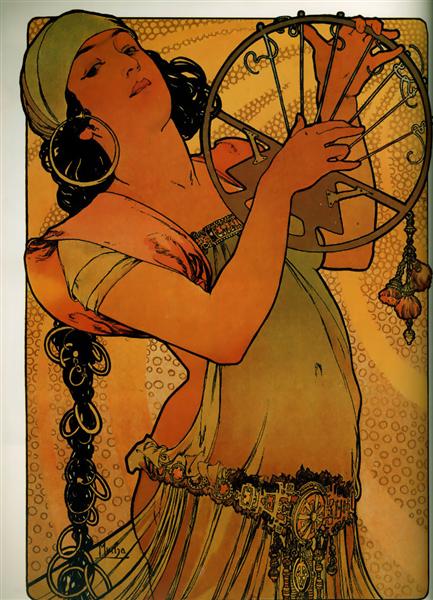
Salome
Alfons Mucha, 1897
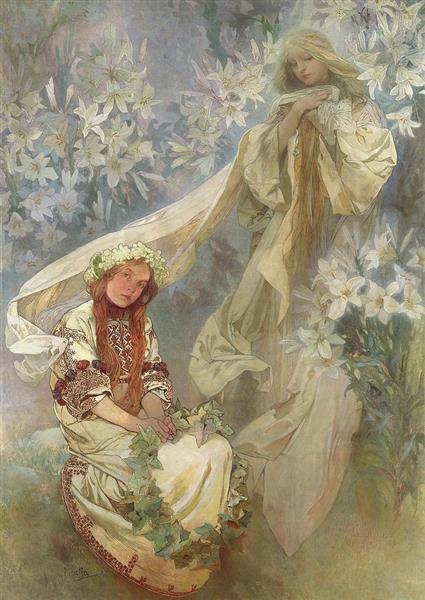
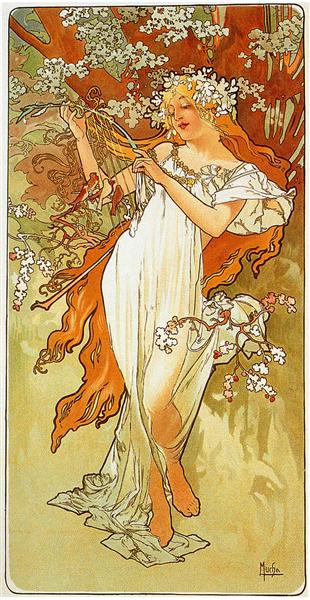
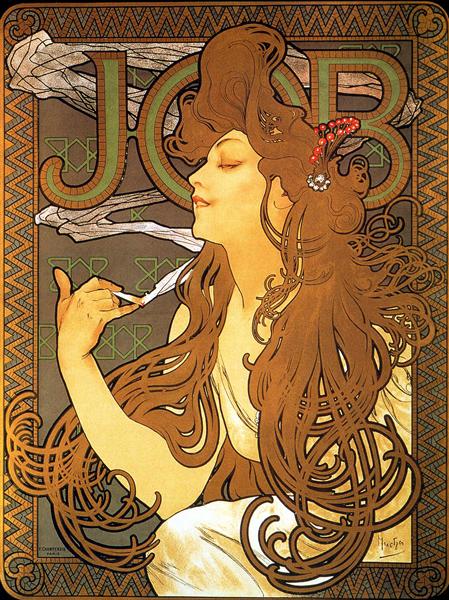
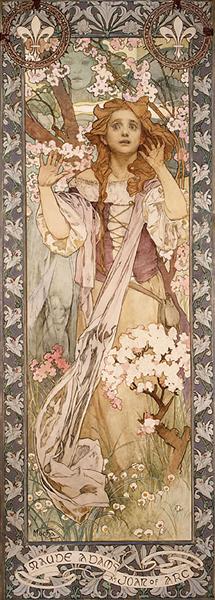
Alfons Mucha's compelling work, 'Salome,' was created in 1897, positioning it firmly within the flourishing Art Nouveau movement. This distinctive artistic style, also recognized as a significant period within Modern art, emerged at the cusp of the 20th century, seeking to integrate art into all aspects of life, from architecture to decorative objects. Art Nouveau is celebrated for its characteristic emphasis on natural forms, fluid and undulating lines, and intricate ornamental designs, often drawing inspiration from flora, fauna, and the female form. Mucha himself stood as one of the most iconic artists of this era, globally renowned for his unique and elegant aesthetic, frequently featuring graceful female figures adorned with elaborate, stylized backdrops. While the precise medium employed for this particular 'Salome' remains unspecified, its creation by Mucha in 1897, under the banner of Art Nouveau, points to a piece imbued with the movement's characteristic beauty, sophisticated design, and a departure from more traditional academic styles. It reflects a pivotal moment in art history, embracing innovation and a new decorative sensibility.
No thoughts yet. Be the first to share one.
TagsArt Nouveau (Modern)religious painting
4.00 (1 rating)
1897
Period
Art Nouveau (Modern)