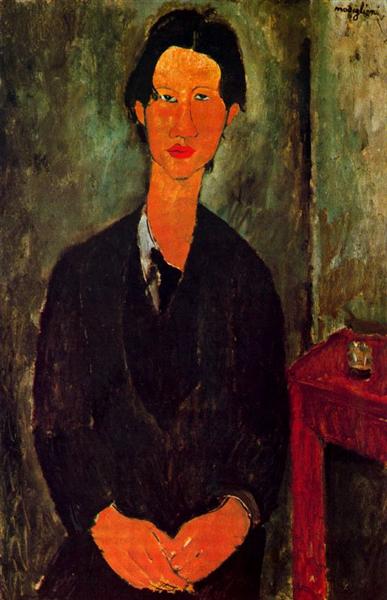
Portrait of Chaim Soutine
Amedeo Modigliani, 1917
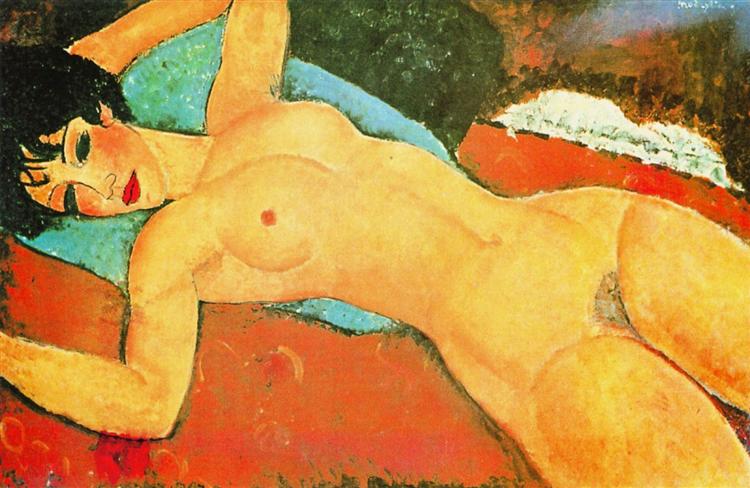
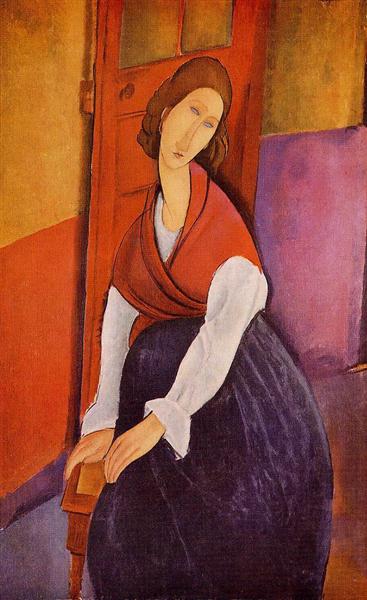
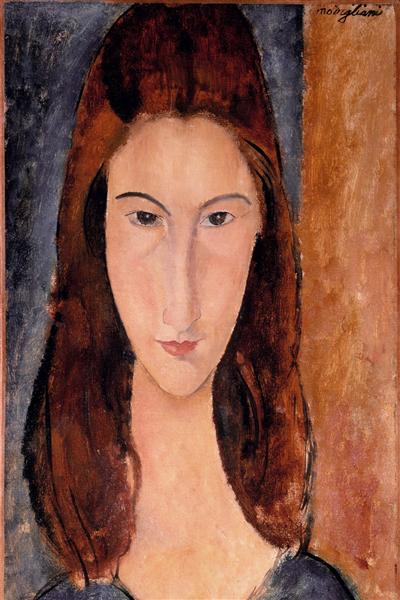
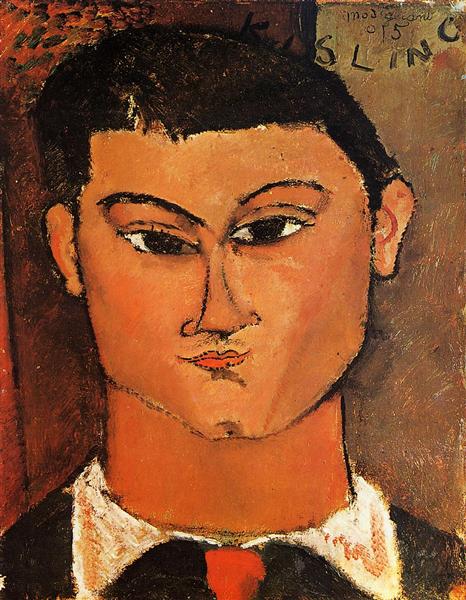
The figures Modigliani renders often possess a striking, almost unsettling grace, characterized by a surreal elongation of faces, necks, and figures. This oil on canvas from 1917, depicting Chaim Soutine, likely applies the artist's signature visual language. Modigliani, who had moved to Paris in 1906 and engaged with a dynamic artistic scene including figures like Pablo Picasso, developed this distinctive approach. It places the work within Expressionism, a movement where subjective emotional experience often reshapes naturalistic forms. One wonders how such an intensely personal and often distorting style interprets another artist known for his own raw, emotional portrayals, like the dramatic still lifes of dead fowl Soutine would later produce, where thick, swirling paint suggests a visceral quality. The very medium of oil would have offered a depth and texture, amplifying these elongated forms and inviting a gaze that seeks to understand the inner life conveyed through this stretched reality. How does Modigliani's unique visual signature ultimately reveal Soutine?
No thoughts yet. Be the first to share one.
TagsExpressionismoilcanvasportrait
4.00 (1 rating)
oil, canvas · 1917
Medium
oil, canvas
Period
Expressionism