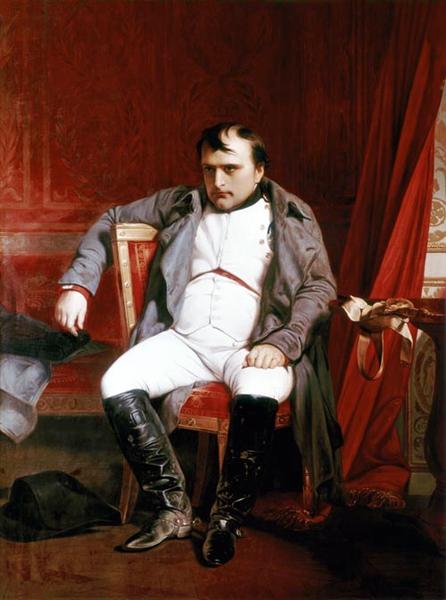
Napoléon Bonaparte abdicated in Fontainebleau
Paul Delaroche, 1846
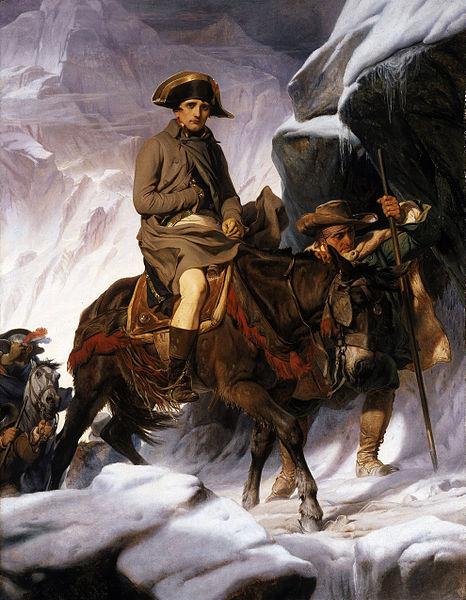
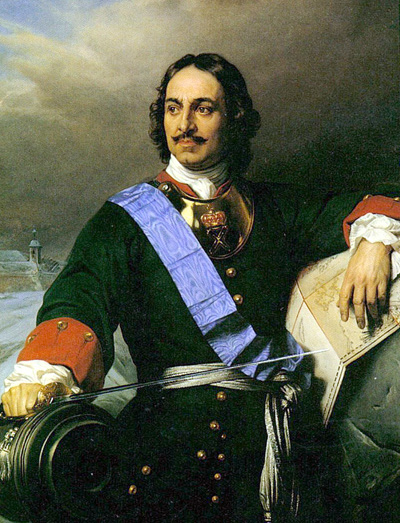
The title "Napoléon Bonaparte abdicated in Fontainebleau" immediately evokes a scene of immense personal and historical weight, depicting a powerful figure at an acutely vulnerable moment. Paul Delaroche, the artist, was known for his dedication to pragmatic realism in historical scenes, often emphasizing emotions while deliberately deglorifying historical figures. This approach to art, aligning with both Romanticism through its emotional depth and Academicism with its detailed execution, suggests a particularly nuanced portrayal of Napoleon Bonaparte's abdication. Delaroche, as noted, did not shy from presenting figures like Napoleon in a stark, unidealized light, a perspective that would profoundly shape a depiction of such a critical, humbling juncture. The work, created in 1846, would likely balance the dramatic pathos of the event with the artist's commitment to historical veracity, refusing to flatter even a figure as monumental as Napoleon. The precise visual impact of this work—its specific composition, color palette, or even the medium—remains an intriguing mystery given the available details, leaving us to imagine how Delaroche visually navigated such a complex intersection of power, defeat, and human emotion.
No thoughts yet. Be the first to share one.
TagsRomanticismAcademicismportrait
3.00 (1 rating)
1846
Period
Romanticism · Academicism