Marilyn Monroe
Andy Warhol, 1967
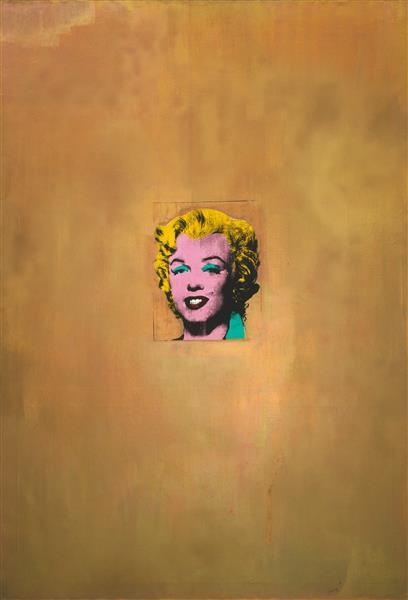
The garish combinations of psychedelic Day-Glo colors immediately make Marilyn Monroe’s face pop with an almost electric intensity, reflecting over 300 percent of their color. This 1967 screenprint, part of a portfolio of ten images, transforms a 1953 publicity photograph from the film Niagara. Warhol deliberately employed off-register printing, allowing the vibrant hues to sometimes spill beyond their boundaries and creating a distinct visual vibration. It’s fascinating how these very "mistakes" became a signature element, stemming from his background as a highly successful commercial illustrator and his embrace of mass production techniques. Screenprinting, a medium favored for quick commercial reproduction of photographic images on flat surfaces, allowed him to repeat images efficiently. Art historian Robert Rosenblum observed that her face "seems perpetually illuminated by the afterimage of a flashbulb," a potent description that perfectly encapsulates the dazzling, almost ghostly glow achieved by these highly reflective colors. This method firmly cemented Warhol's place, and this artwork's place, within Pop Art.
No thoughts yet. Be the first to share one.
TagsPop Artscreenprintportrait
4.50 (2 ratings)
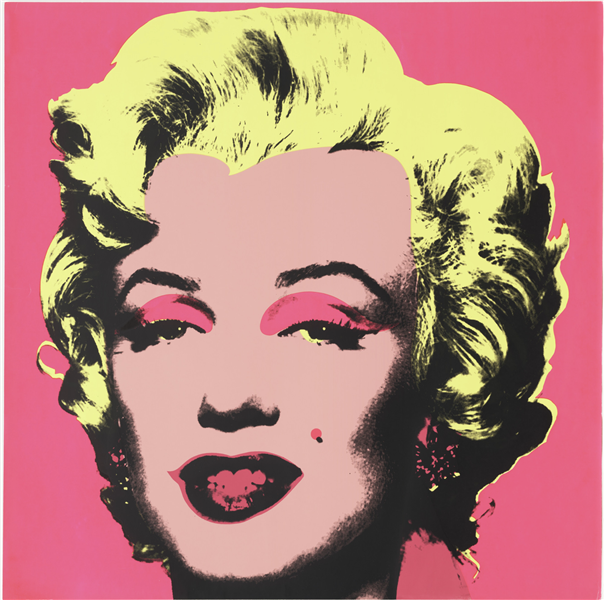
screenprint · 1967
Medium
screenprint
Period
Pop Art