Judith and the Head of Holofernes
Belvedere, Vienna, Austria
Gustav Klimt, 1901
A profound, almost unsettling calm emanates from the figure of Judith in this 1901 oil on canvas. This piece by Gustav Klimt presents the culmination of a dramatic tale: the beheading of Holofernes, the Assyrian general, by the beautiful Jewish widow. As recounted in the Book of Judith, she entered his tent under the guise of seduction, found him intoxicated, and then carried out the decapitation, his head subsequently taken in a basket. The choice of oil on canvas, a traditional medium, grounds the Art Nouveau movement's aesthetic in a narrative rich with historical and religious resonance. While many artists from the Renaissance and Baroque periods depicted this story with overt drama, Klimt's vision here likely explores the psychological aftermath more than the act itself. This painting, a product of 1901, invites a viewer to consider the quiet power and intricate motivations behind Judith's formidable resolve. The contrast between the lethal act and her composed bearing creates a lingering tension, making one ponder the depths of sacrifice and cunning required to save her city of Bethulia.
No thoughts yet. Be the first to share one.
TagsArt Nouveau (Modern)oilcanvasreligious painting
5.00 (2 ratings)
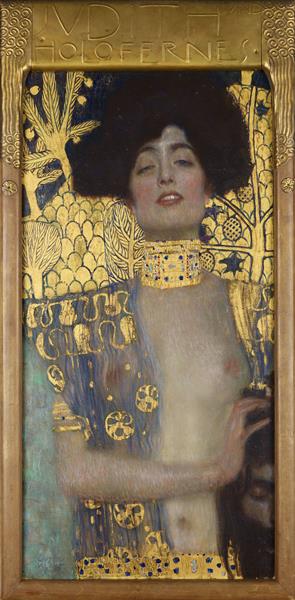
oil, canvas · 1901
Medium
oil, canvas
Period
Art Nouveau (Modern)
Held at
Belvedere, Vienna, Austria