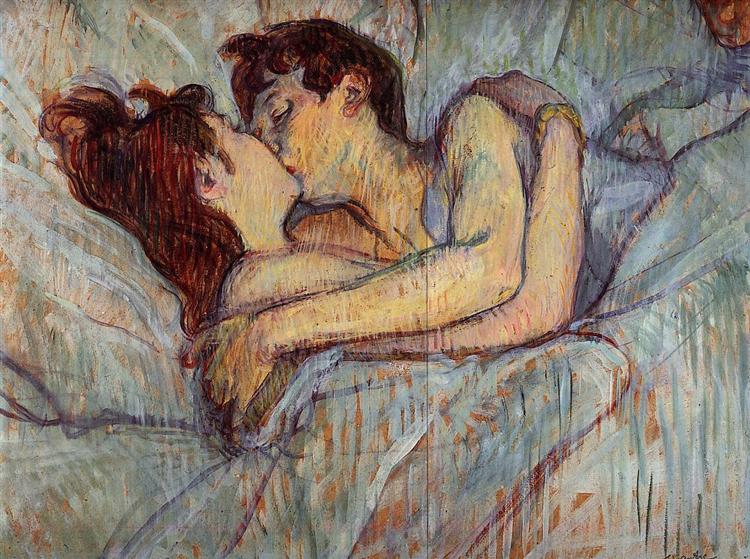
In bed
Musée d'Orsay, Paris, France
Henri de Toulouse-Lautrec, 1893
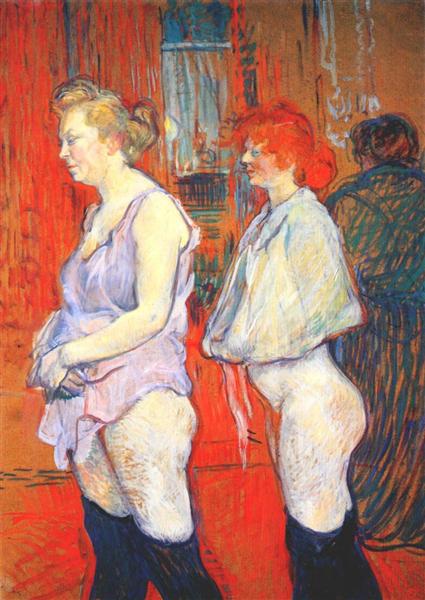
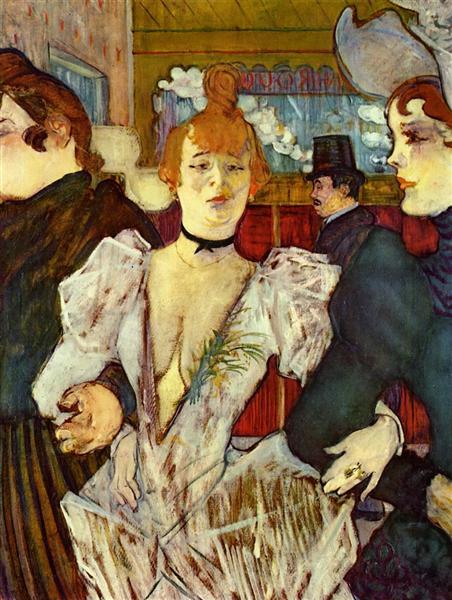
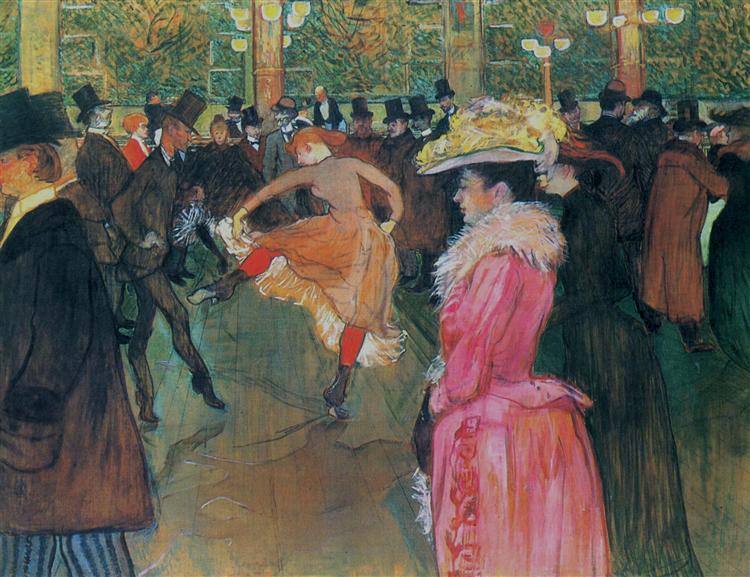
Stepping into the world of Henri de Toulouse-Lautrec means confronting the vivid, often unvarnished, realities of late 19th-century Paris. His pieces, like this one from 1893 titled "In bed," crafted with oil on cardboard, draw us into moments that feel deeply personal. As a key figure in Post-Impressionism, Toulouse-Lautrec, a French painter, printmaker, and illustrator, was celebrated for his immersion in the city's 'colourful and theatrical life,' often depicting scenes from its 'decadent affairs.' To encounter a work simply titled "In bed" from an artist so adept at capturing the public energy of cabarets and dance halls feels quietly subversive. It points to the private hours, the intimacy, or perhaps the weariness, that existed beyond the spotlight. The directness of working in oil on cardboard suggests an immediate, unfiltered observation, quite different from the grand canvases of other artists. This choice of medium, combined with the candid title, invites us to consider the often-unseen quietude in the bustling world he documented, an unexpected reflection on vulnerability rather than pure spectacle. It certainly makes you wonder about the stories unfolding in those hidden corners, long after the music has faded.
A
AndreasOct 2025
The most "sunday nap" painting ever
TagsPost-Impressionismoilcardboardgenre painting
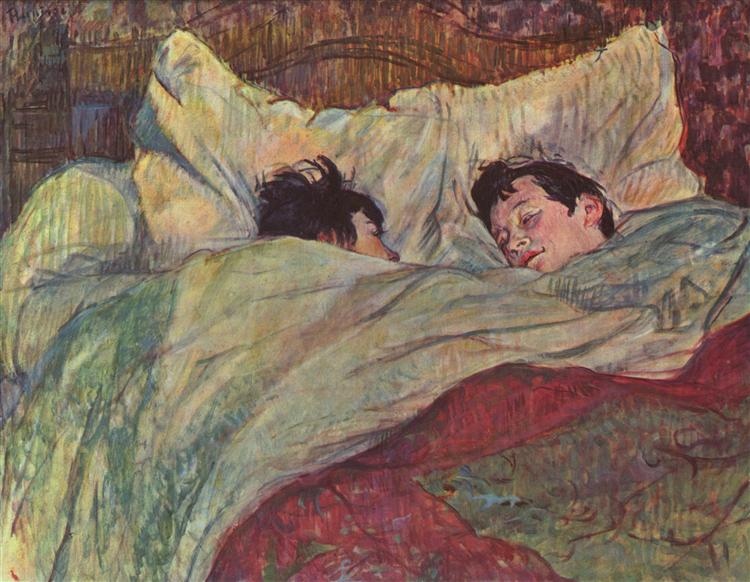
oil, cardboard · 1893
Medium
oil, cardboard
Period
Post-Impressionism
Held at
Musée d'Orsay, Paris, France