Cleopatra
Private Collection
William Waterhouse John, 1887
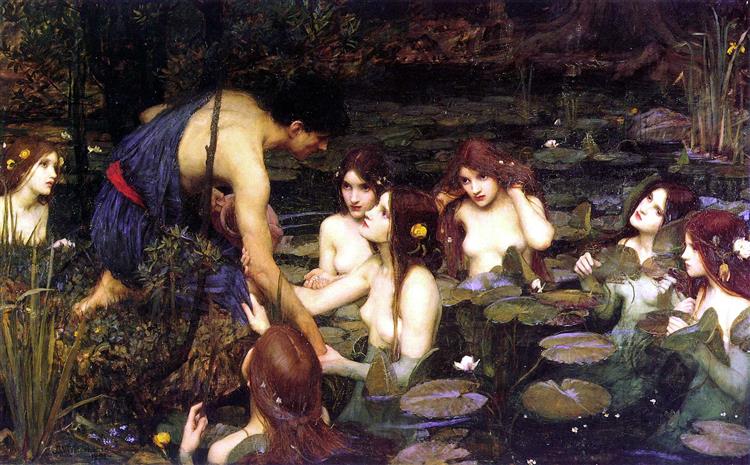
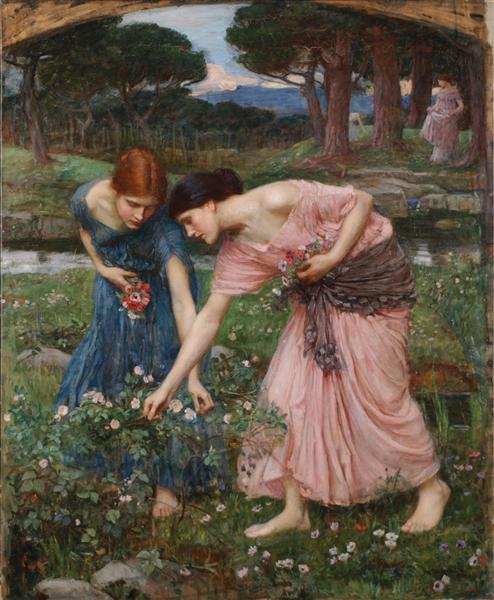
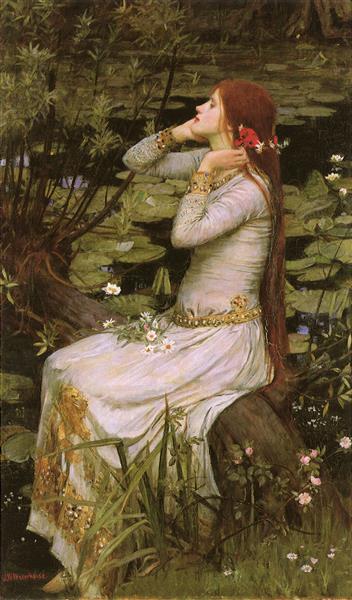
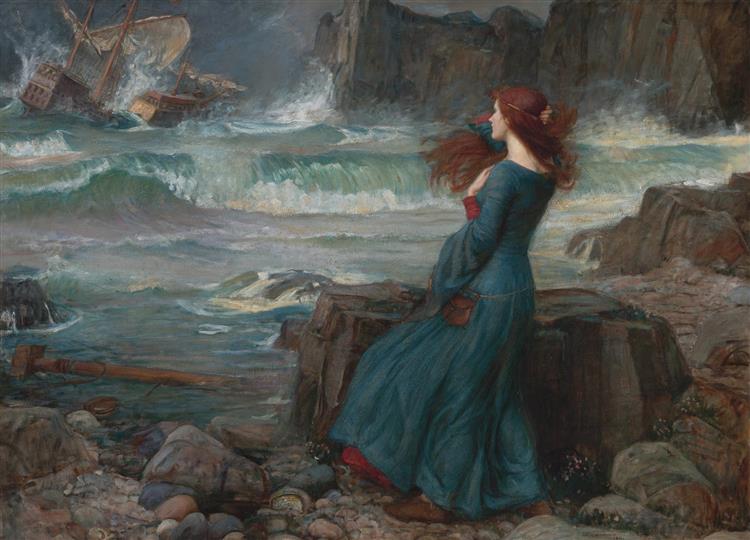
The historical Cleopatra, a queen who shrewdly allied herself with powerful Roman generals to preserve her country’s independence, chose suicide rather than humiliation. It’s this profound tension, between immense power and tragic end, that an artist like William Waterhouse John, known for his depictions of single, often historical, women, would likely explore. This 1887 oil on canvas, a work from the Romanticism movement, probably delves into the emotional depth of such a figure rather than a purely historical record. Think about how differently she appears on a tetradrachm coin, for instance, where her profile, an exact copy of Mark Antony’s yet placed prominently, advertised a powerful political partnership. Waterhouse’s interpretation, I imagine, moves beyond the crown and braided hair symbolizing queenship on ancient coinage, towards a more personal, perhaps vulnerable, side of the legendary figure. It makes you wonder which moment in her dramatic life story he chose to freeze in time and what private emotion he aimed to stir in the viewer.
No thoughts yet. Be the first to share one.
TagsRomanticismoilcanvashistory painting
3.75 (2 ratings)
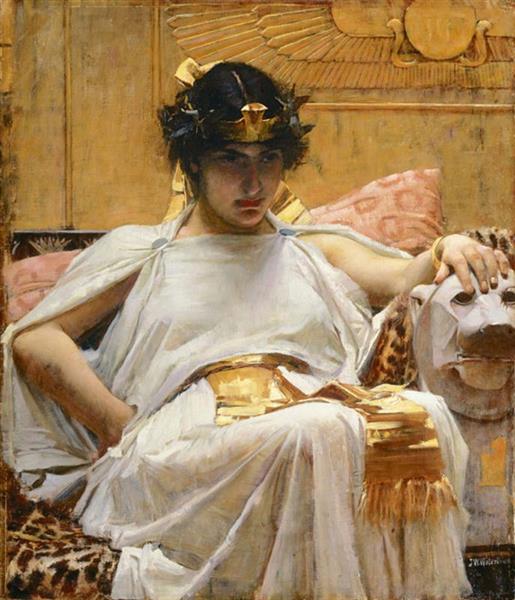
oil, canvas · 1887
Medium
oil, canvas
Period
Romanticism
Held at
Private Collection