Children
Musée Picasso, Paris, France
Balthus, 1937
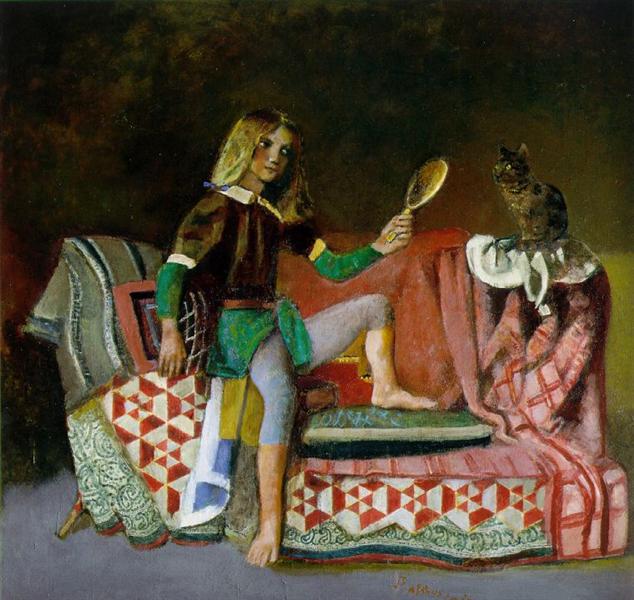
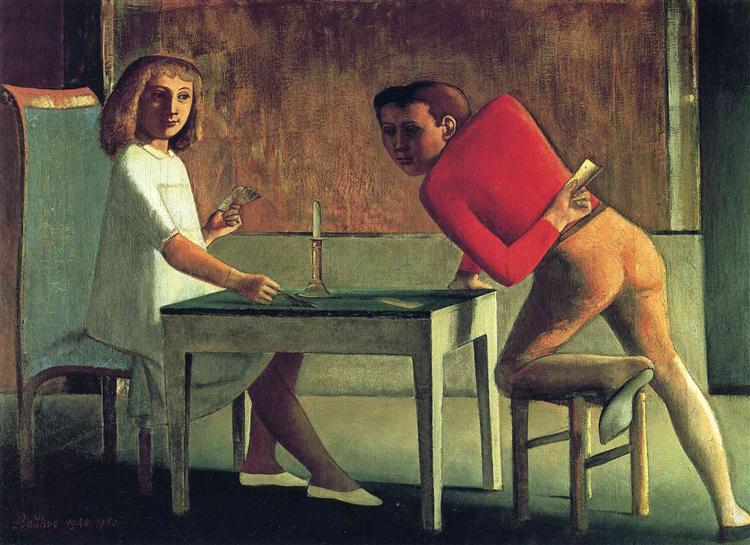
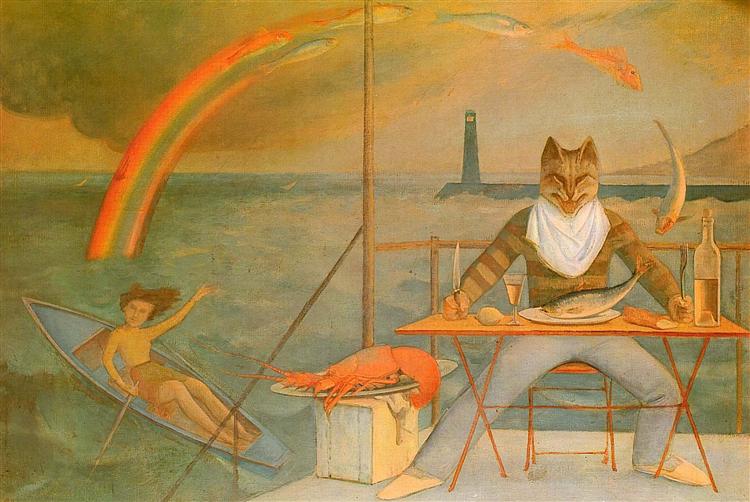
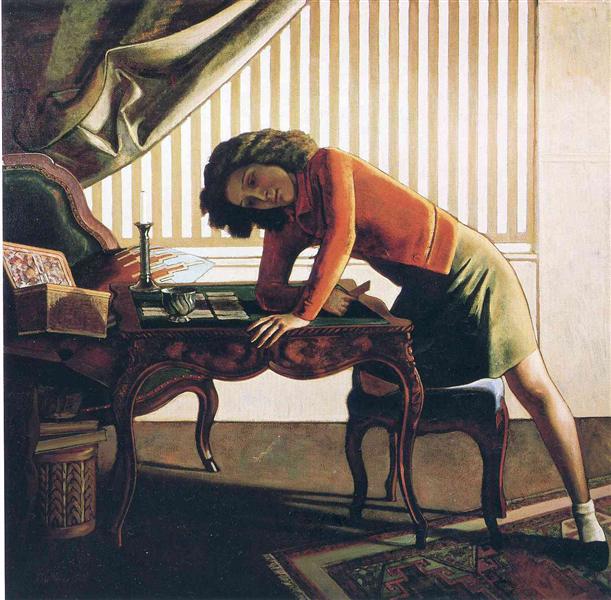
The canvas, imbued with tempera, for Balthus’s 1937 work "Children" immediately immerses us in the realm of Surrealism. It’s fascinating how the simple, evocative title stands in dialogue with the complexities of this artistic movement. We know Balthasar Klossowski, the Polish-French modern artist, is generally recognized for the dreamlike quality of his imagery. Given the Surrealist context, one can only imagine the kind of visual narrative this piece presents – is it a scene of innocent play, or something more profound and unsettling, pushing the boundaries of reality? The medium of tempera, with its distinct texture and luminosity, would certainly lend itself to creating a unique atmosphere. This particular work, dating to 1937, invites us to consider how Balthus might have interpreted the theme of "Children" through a Surrealist lens, leaving an intriguing gap between the directness of its name and the potential for a deeply imaginative and perhaps disquieting visual experience. What untold stories or obscured realities lie within this particular rendering of childhood by an artist so attuned to the subconscious?
No thoughts yet. Be the first to share one.
TagsSurrealismcanvastemperagenre painting
2.50 (1 rating)
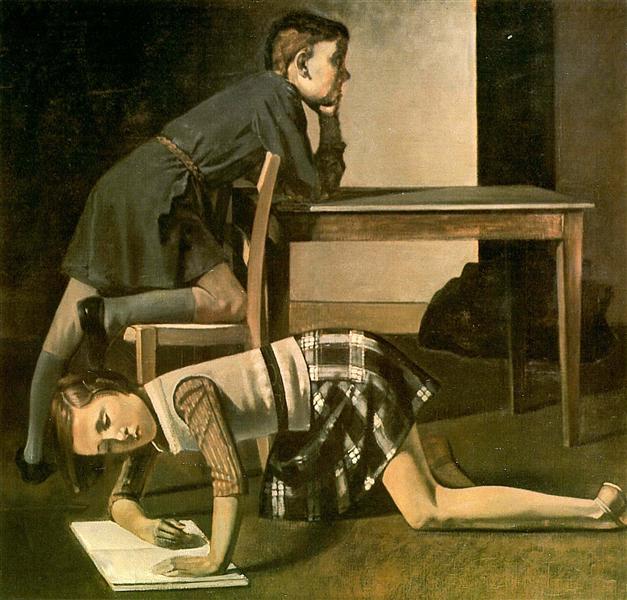
canvas, tempera · 1937
Medium
canvas, tempera
Period
Surrealism
Held at
Musée Picasso, Paris, France