The Kiss
Belvedere, Vienna, Austria
Gustav Klimt, 1908
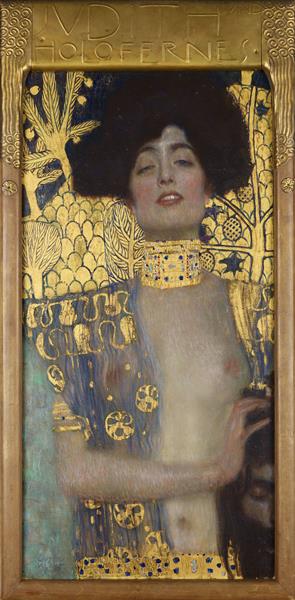
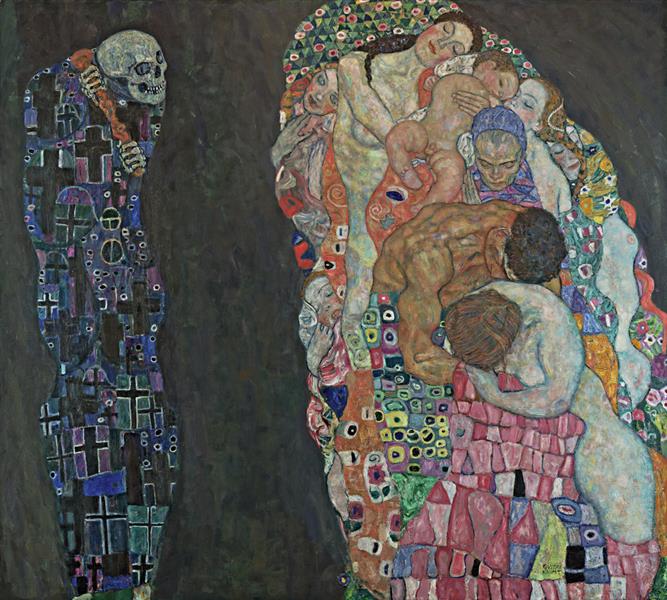
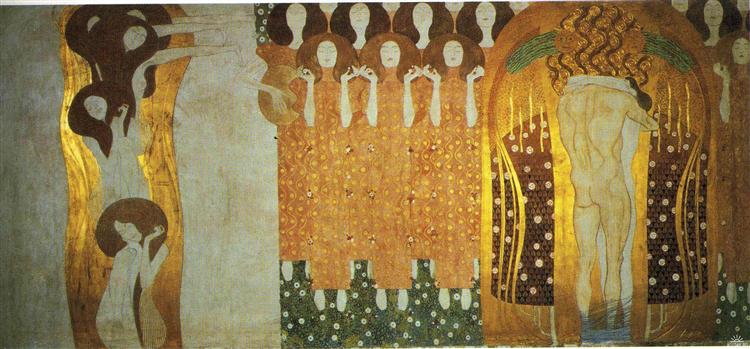
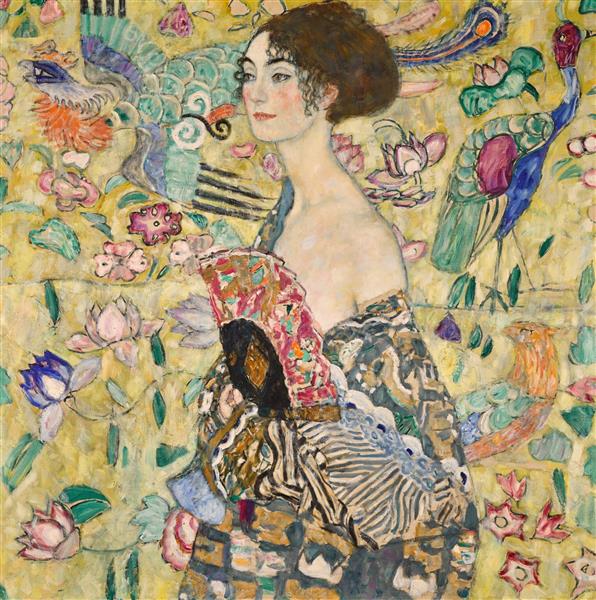
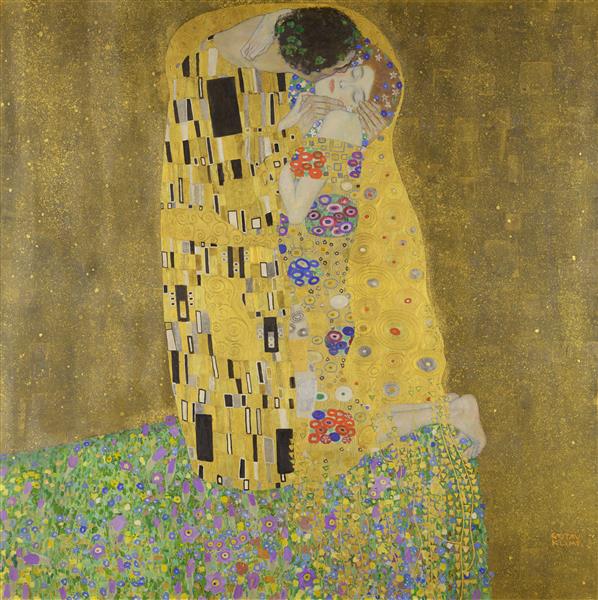
Gustav Klimt's 1908 masterpiece, rendered in oil on canvas, is arguably his most celebrated creation and a pinnacle of his "Gold Period." This era saw the artist extensively incorporate gold leaf into his works, a characteristic beautifully exemplified here. It marks a notable shift from Klimt's typical portrayal of powerful, often dominant female figures, instead presenting a scene of profound affection. We see a couple enveloped in a tender, golden-flecked, and flower-filled embrace, symbolizing love and artistic beauty. The artist, known for his personal life, reportedly fathered at least 14 illegitimate children. It is rumored that Klimt himself, alongside his companion Emile Floge, served as the inspiration for the figures in this iconic Art Nouveau piece. Its lasting impact is underscored by its selection to appear on the Austrian 100 euro coin, minted in 2003, testament to its enduring cultural significance.
No thoughts yet. Be the first to share one.
TagsArt Nouveau (Modern)oilcanvasgenre painting
4.38 (28 ratings)
oil, canvas · 1908
Medium
oil, canvas
Period
Art Nouveau (Modern)
Held at
Belvedere, Vienna, Austria