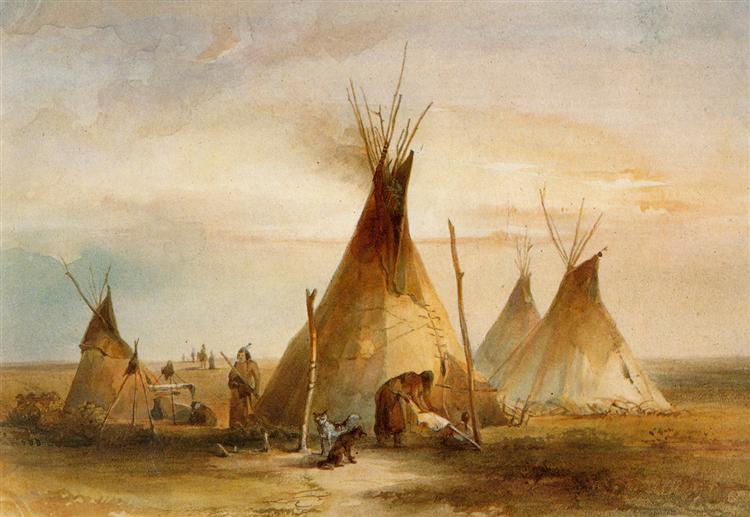
Sioux teepee from Volume 1 of 'Travels in the Interior of North America'
Karl Bodmer, 1833
The visual focus on a Sioux teepee, rendered in aquatint on paper, immediately draws attention to the texture and tonal depth characteristic of this printmaking technique. One might imagine the subtle gradations of light and shadow, typical of aquatint, defining the conical form of the dwelling against a distant, perhaps rugged, landscape. As part of Karl Bodmer's extensive 'Travels in the Interior of North America' from 1833, this work functions as both a record and an interpretation. The Romantic sensibility of the era would have colored Bodmer
s approach, perhaps emphasizing a sense of pristine wilderness or a profound connection between the people and their environment. The rendering on paper suggests a certain delicacy, yet the subject itself speaks to resilience and a cultural presence in the vastness of the continent. It makes you wonder how the artist balanced documentary intent with the aesthetic ideals of Romanticism, particularly when depicting a scene so intrinsically tied to a specific indigenous culture. The very choice of an aquatint allows for a moody or atmospheric quality, perhaps evoking the silence of the plains or the dignity of the structure.
No thoughts yet. Be the first to share one.
TagsRomanticismaquatintpaperlandscape
4.00 (1 rating)
aquatint, paper · 1833
Medium
aquatint, paper
Period
Romanticism
More by Karl Bodmer
View all works →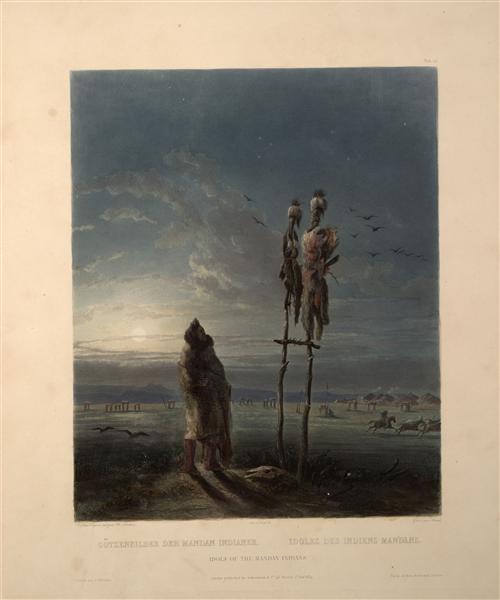
Romanticism
Idols of the Mandan Indians, plate 25 from volume 2 of `Travels in the Interior of North America'
1844
No ratings yet
Romanticism
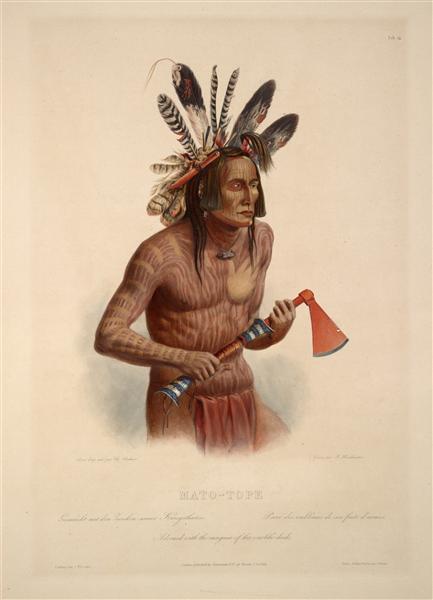
Mato-Tope, Adorned with the Insignia of his Warlike Deeds, plate 14 from Volume 2 of 'Travels in the Interior of North America'
1843
No ratings yet
Romanticism
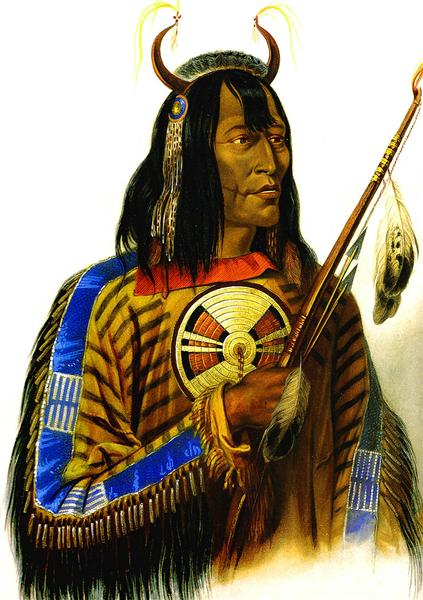
Noapeh Assiniboin Indian
1833
No ratings yet
Romanticism
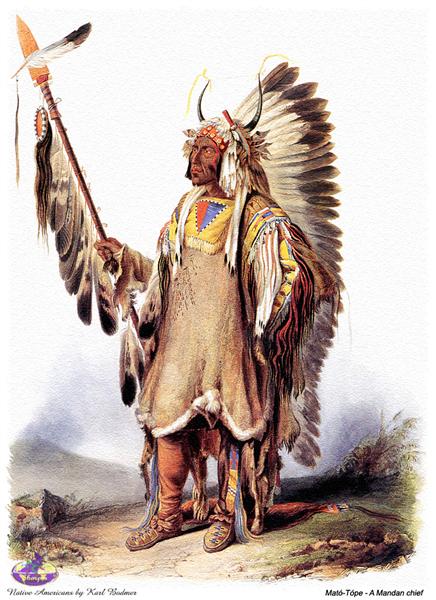
Mato-Tope, a Mandan chief
1833
No ratings yet