Irises
J. Paul Getty Museum, Los Angeles, CA, US
Vincent van Gogh, 1889
An iconic work of Post-Impressionism, Vincent van Gogh created this vivid oil on canvas in 1889. It emerged from a deeply personal period, painted during his voluntary stay at the asylum in Saint Remy de Provence. For Van Gogh, engaging with art served as a crucial method for coping with his mental struggles, a fact made poignant as he completed the piece before experiencing his first mental attack at the asylum. The act of painting provided a vital anchor during a challenging phase of his life. Soon after its creation, Van Gogh entrusted the artwork to his brother Theo, who recognized its merit and promptly arranged for its display at the Salon des Independants in that very same year. There, it was met with significant acclaim and high praise from the art world. This recognition was a precursor to its later historical significance, as it continued to achieve remarkable success at auction, eventually setting high price records until its acquisition by the J. Paul Getty Museum in Los Angeles in 1990. Its journey reflects its enduring impact and the artist's profound contribution to art history.
No thoughts yet. Be the first to share one.
TagsPost-Impressionismoilcanvaslandscape
4.50 (1 rating)
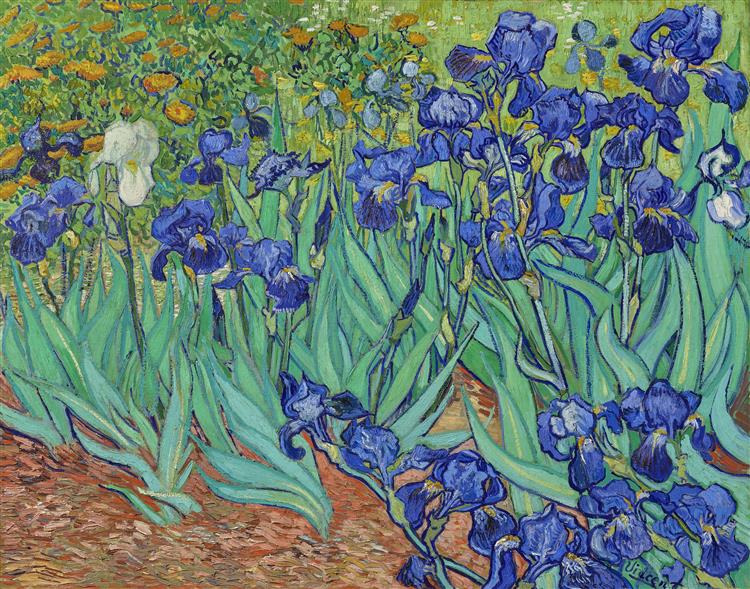
oil, canvas · 1889
Medium
oil, canvas
Period
Post-Impressionism
Held at
J. Paul Getty Museum, Los Angeles, CA, US