Autoportrait aux gants
Museo del Prado, Madrid, Spain
Albrecht Durer, 1498
The very inclusion of gloves in Albrecht Durer's "Autoportrait aux gants" from 1498 immediately shifts the viewer's focus beyond a mere likeness. Crafted in oil on panel, a prevalent medium of the Northern Renaissance, the choice to feature such a specific accessory hints at layers of meaning within Durer's self-depiction. One can infer a meticulous handling of the oil medium, allowing for the potential depiction of varied textures and subtle tonal shifts, especially in rendering the gloves themselves – perhaps leather, velvet, or embroidered fabric. The nature of a self-portrait from this era, particularly by an artist like Durer, speaks to a burgeoning sense of individual identity. The luminosity and rich detail achievable with oil paint would have been instrumental in conveying a lifelike presence and perhaps a quiet intensity in the artist's gaze. The gloves might signify status, an aspect of his profession, or even a symbolic gesture. This deliberate presentation within the Northern Renaissance suggests an artist keenly aware of his image and place. What might these gloves truly communicate about Durer's self-perception, inviting a continuous contemplation of his intentionality?
No thoughts yet. Be the first to share one.
TagsNorthern Renaissanceoilpanelself-portrait
4.00 (1 rating)
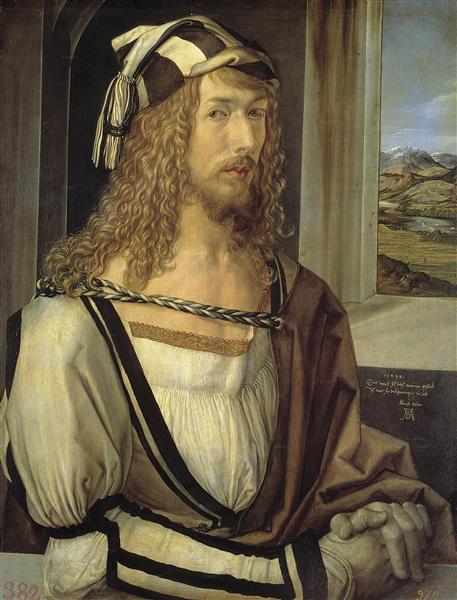
oil, panel · 1498
Medium
oil, panel
Period
Northern Renaissance
Held at
Museo del Prado, Madrid, Spain
More by Albrecht Durer
View all works →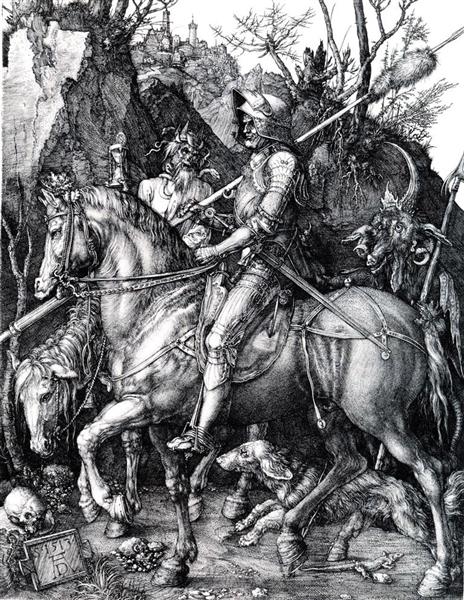
Northern Renaissance
The Knight, Death and the Devil
1513
No ratings yet
Northern Renaissance
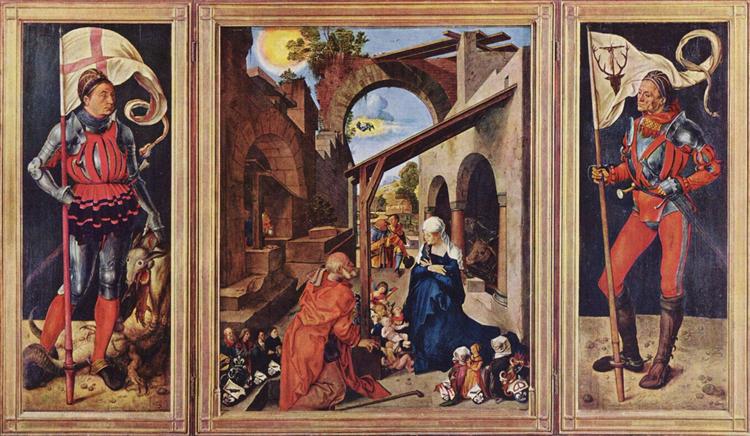
Paumgartner Altarpiece (center panel - The Nativity, wings - St. George, St. Eustace)
1503
No ratings yet
Northern Renaissance
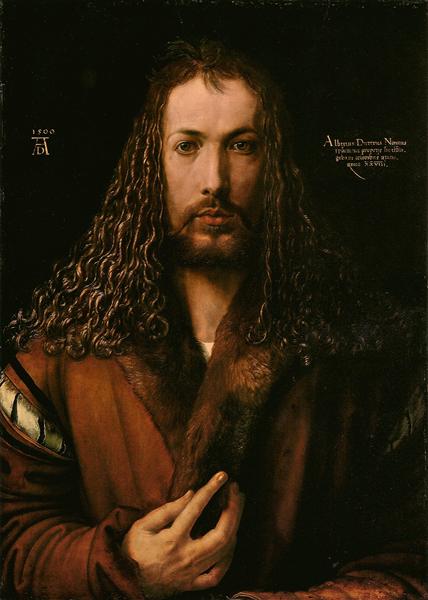
Self-Portrait at the Age of Twenty Eight
1500
No ratings yet
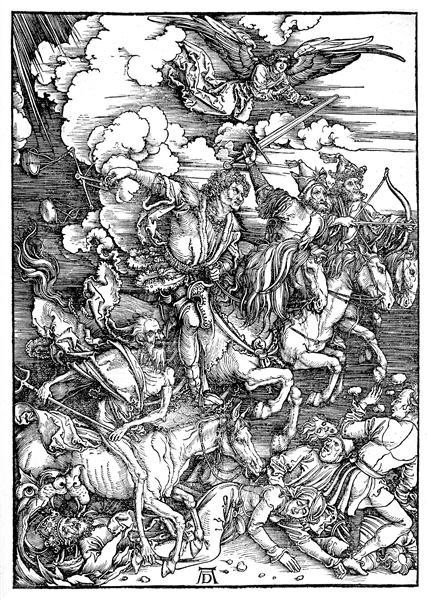
Northern Renaissance
The Four Horsemen of the Apocalypse, Death, Famine, Pestilence and War
1498
No ratings yet